How to Plan an Outdoor Activity: A Step-by-Step Guide for Beginners
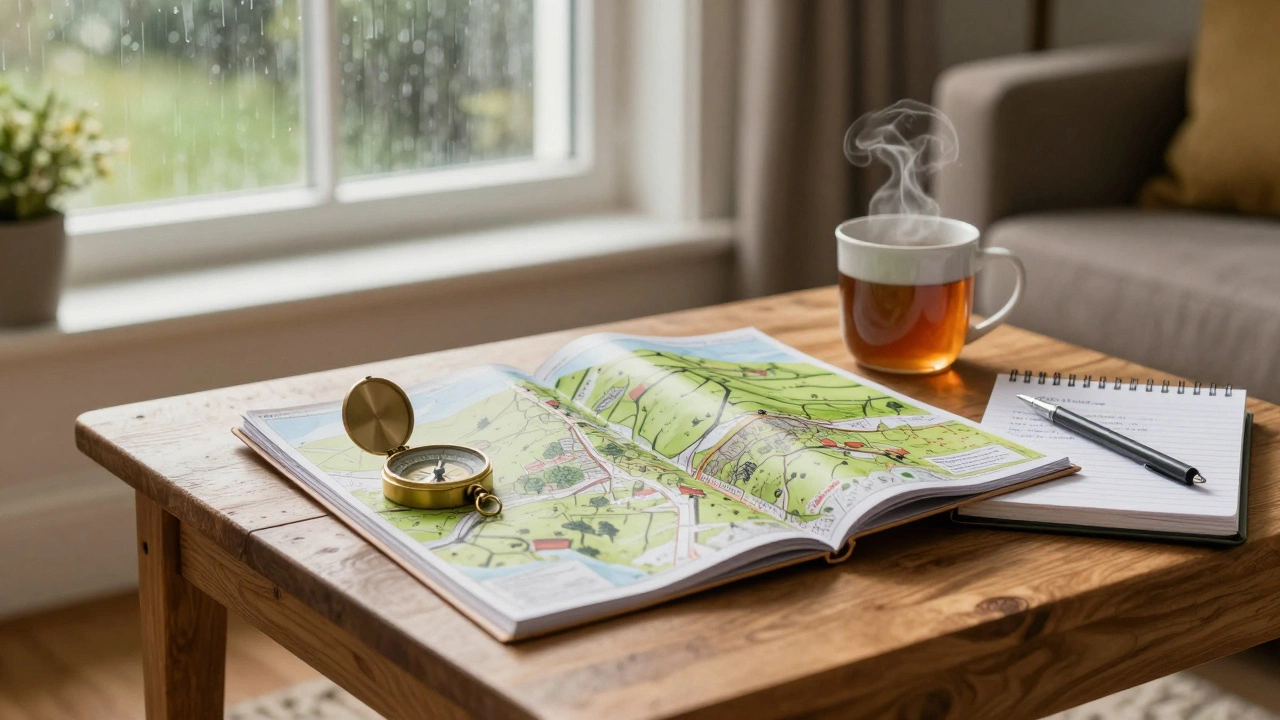 May, 4 2026
Outdoor Activity Readiness Calculator
Check off items you have packed. This list is critical for safety.
Your Score: 0%
Recommendations:
Water Estimate
Minimum required per person:
Based on duration and activity intensity. Always carry more than you think you need.
Nothing kills the vibe of a weekend getaway faster than realizing you forgot your water filter or that the trail is closed due to recent rains. Planning an outdoor activity is a process of preparing for recreational time in nature, balancing enjoyment with safety and logistics. It’s not just about picking a pretty spot on a map; it’s about understanding the environment, respecting local regulations, and ensuring you have the right gear before you step off the pavement.
If you’re new to this, the sheer amount of information can feel overwhelming. Do you need expensive gear? How do you read a weather forecast? What if you get lost? This guide breaks down the planning process into manageable steps, helping you go from couch-bound to trail-ready without the panic.
Define Your Adventure Goals
Before you look at maps or buy boots, ask yourself what you actually want out of the day. Are you looking for a gentle walk to clear your head, a challenging climb to test your fitness, or a family-friendly picnic spot? Defining your goal dictates every other decision you make.
- Relaxation: Choose flat terrain, well-marked trails, and areas with amenities like cafes or toilets. Think coastal walks or botanical gardens.
- Fitness: Look for elevation gain, uneven terrain, and longer distances. Mountain hikes or trail running routes fit here.
- Exploration: Opt for less-traveled paths, but ensure you have navigation skills and emergency supplies since help won’t be nearby.
Your group’s fitness level matters too. If you’re hiking with friends who haven’t moved much all week, don’t pick a route with 1,000 meters of ascent. Match the challenge to the weakest link in your chain to keep everyone happy and safe.
Research the Location and Conditions
Once you know what you want, find where it is. Use reliable sources like official park websites, reputable hiking forums, or apps like AllTrails. Don’t rely solely on social media photos, which often hide difficult sections or outdated conditions.
Check the weather forecast is a prediction of atmospheric conditions for a specific location and time. specifically for the mountain range or valley, not just the nearest city. Weather changes rapidly in higher altitudes. A sunny day in Sydney can mean hail and freezing winds on Mount Wilson. Look for wind speed, rain probability, and temperature drops.
Also, check for fire danger ratings are official assessments of how likely wildfires are to start and spread in a given area.. In Australia, during summer months, many national parks close trails when fire danger is rated "Extreme" or "Catastrophic." Ignoring these warnings isn’t just risky; it’s illegal and puts firefighters in danger.
Prepare Your Gear List
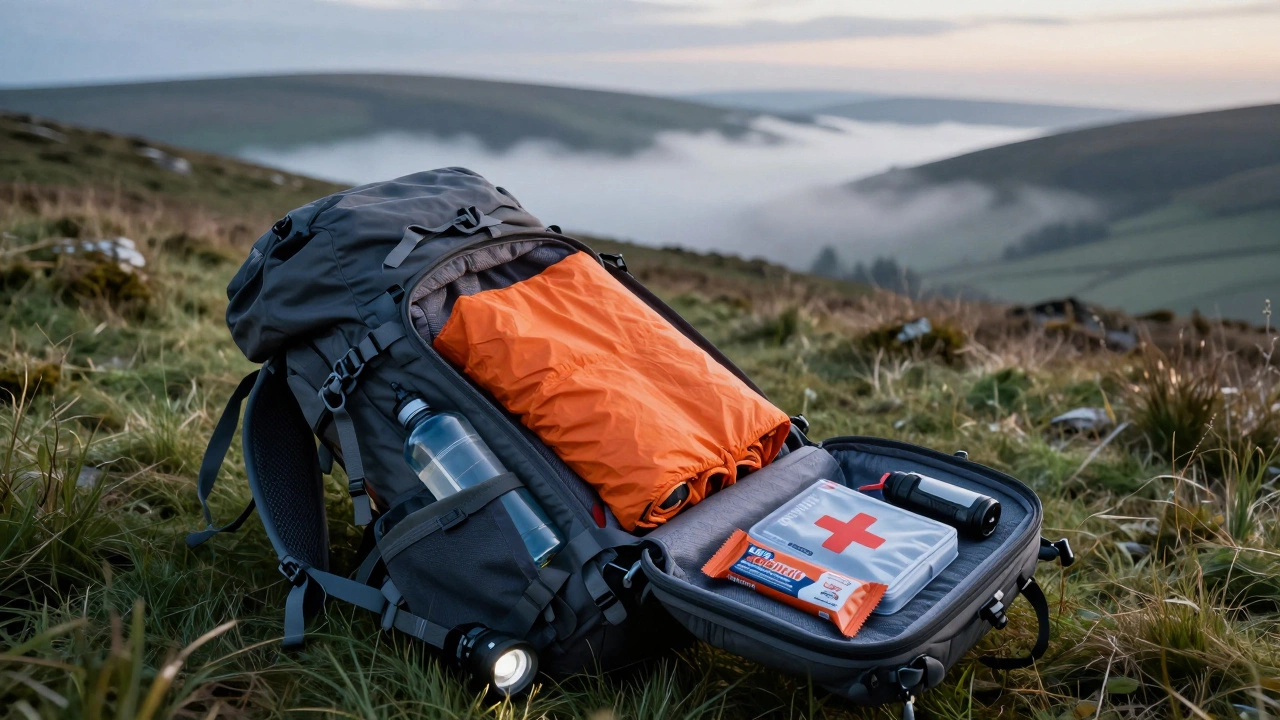
You don’t need to spend thousands on gear, but you do need the basics. The "Ten Essentials" is a classic list used by hikers worldwide. Adapt it to your trip:
- Navigation: Map (physical), compass, or GPS device. Phone batteries die; paper doesn’t.
- Illumination: Headlamp or flashlight with extra batteries.
- Sun protection: Sunscreen, sunglasses, and a hat. The Australian sun is no joke.
- First aid kit: Bandages, antiseptic, plasters, and any personal medication.
- Knife/Multi-tool: Useful for fixing gear or cutting food.
- Fire starter: Matches or lighter in a waterproof container.
- Emergency shelter: A lightweight bivvy sack or space blanket.
- Extra food: More than you think you’ll need. Energy bars, nuts, dried fruit.
- Extra water: At least 2 liters per person for a half-day hike. Bring a filter if water sources are available.
- Extra clothes: Always carry a warm layer, even in summer. Temperatures drop fast.
Test your gear before you go. Make sure your boots aren’t brand-new (break them in first) and that your backpack fits comfortably. Blisters ruin trips faster than bad weather.
Plan Logistics and Permissions
Some activities require permits. Popular national parks in NSW, like the Blue Mountains or Kosciuszko National Park, may require booking campsites or paying entry fees. Check if you need a national park pass is a fee-based permit allowing access to protected natural areas.. Some areas also restrict dog access or prohibit camping near waterways to protect wildlife.
Plan your transport. If you’re driving, check road conditions. Unsealed roads can become impassable after rain. If you’re using public transport, verify return bus times. Missing the last bus means an unplanned night in the wild, which is rarely fun.
Tell someone your plan. Leave a detailed itinerary with a trusted friend or family member. Include your route, expected return time, and vehicle details. If you don’t show up, they’ll know when to call for help.
Practice Leave No Trace Principles
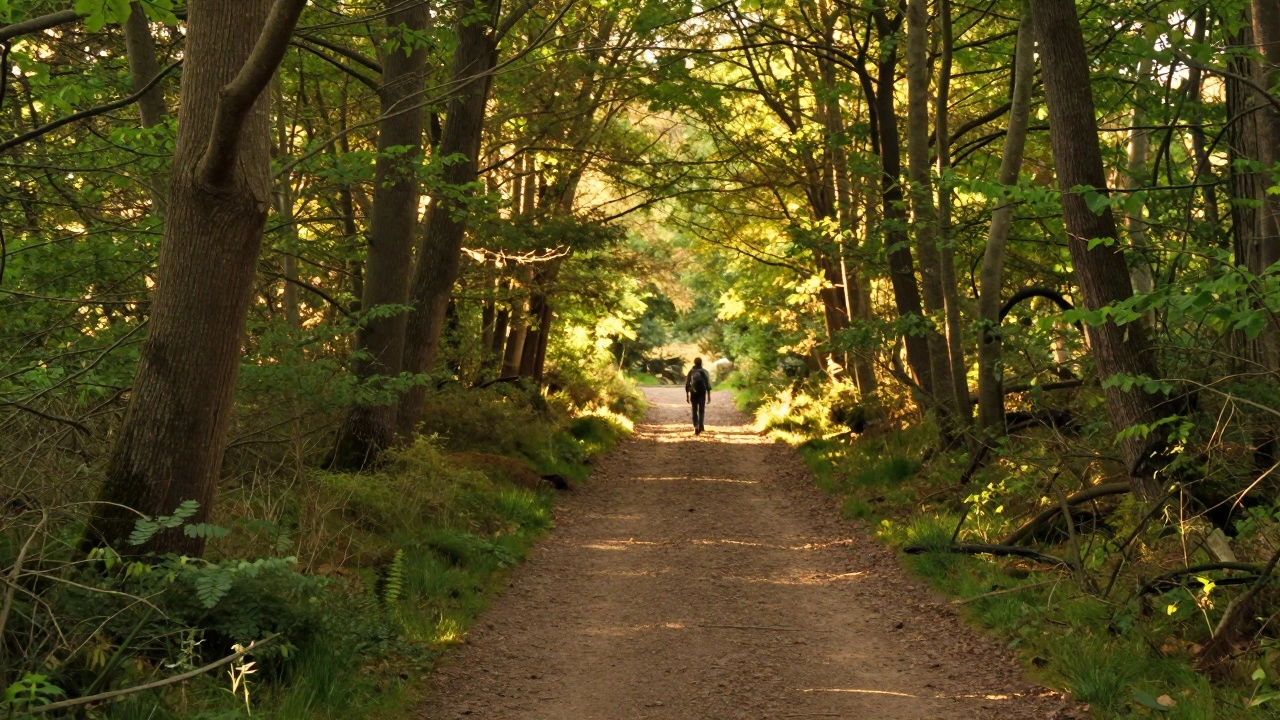
Enjoying nature comes with responsibility. Leave No Trace is a set of ethical guidelines for minimizing environmental impact while enjoying the outdoors. principles help keep wild places pristine for future visitors.
- Stick to marked trails: Cutting corners damages vegetation and causes erosion.
- Carry out all trash: This includes food wrappers, tissues, and biodegradable waste like banana peels, which take months to decompose.
- Respect wildlife: Observe animals from a distance. Feeding them disrupts their natural behavior and can be dangerous.
- Camp responsibly: If camping, use established sites. Avoid building fires unless allowed and safe.
Small actions add up. If everyone picks up one piece of litter, the difference is huge.
Final Pre-Trip Checks
The night before, lay out everything you’ll wear and pack. Check the weather one last time. If storms are predicted, postpone the trip. Safety isn’t about being brave; it’s about being smart.
Charge all devices. Pack power banks if you plan to use your phone for photos or navigation. Eat a good meal beforehand so you start with energy reserves.
Do I need special insurance for outdoor activities?
For casual day hikes, standard health cover usually suffices. However, if you’re doing high-risk activities like rock climbing, kayaking in rough waters, or traveling internationally, consider specialized adventure travel insurance. It covers rescue costs, medical evacuation, and gear replacement, which can be expensive.
What should I do if I get lost?
Stop immediately. Do not wander further. Sit down, stay calm, and assess your situation. If you have a phone, try to get a signal. If not, use your whistle or mirror to signal for help. Stay put if you’re unsure of the way back; rescuers find stationary people much easier than moving ones.
Is it safe to drink water from streams?
No, never drink untreated water from streams or lakes. They can contain parasites like Giardia or bacteria that cause severe illness. Always carry a water filter, purification tablets, or boil water for at least one minute before drinking.
How early should I start my hike?
Aim to start by 7 AM or earlier. This gives you daylight to finish, avoids midday heat, and lets you beat crowds. Starting late increases the risk of getting caught in darkness or sudden afternoon storms.
Can I bring my dog on any trail?
Not always. Many national parks and sensitive ecosystems prohibit dogs to protect native wildlife. Always check specific trail rules before bringing your pet. Even if allowed, keep them on a leash and clean up after them.