How to Taste Wine for Beginners: A Simple Step-by-Step Guide
 Dec, 1 2025
Wine tasting doesn’t need to be fancy. You don’t need a cellar, a sniffer, or a degree in viticulture. If you’ve ever sipped a glass of wine and wondered what everyone’s talking about-flavors, aromas, body-you’re already on the right track. The truth? Tasting wine is just paying attention to what’s already in your glass. Here’s how to do it, step by step, without the jargon or the pretension.
Start with the right glass
You don’t need crystal stemware, but a clean, clear glass matters. A standard white wine glass works fine for reds too, if that’s all you’ve got. Avoid those tiny tasting glasses or, worse, plastic cups. The shape helps trap aromas, and a wider bowl lets you swirl without spilling. Rinse it with warm water before you pour-no soap residue. Even a tiny bit of detergent can kill the smell.
Look at the color
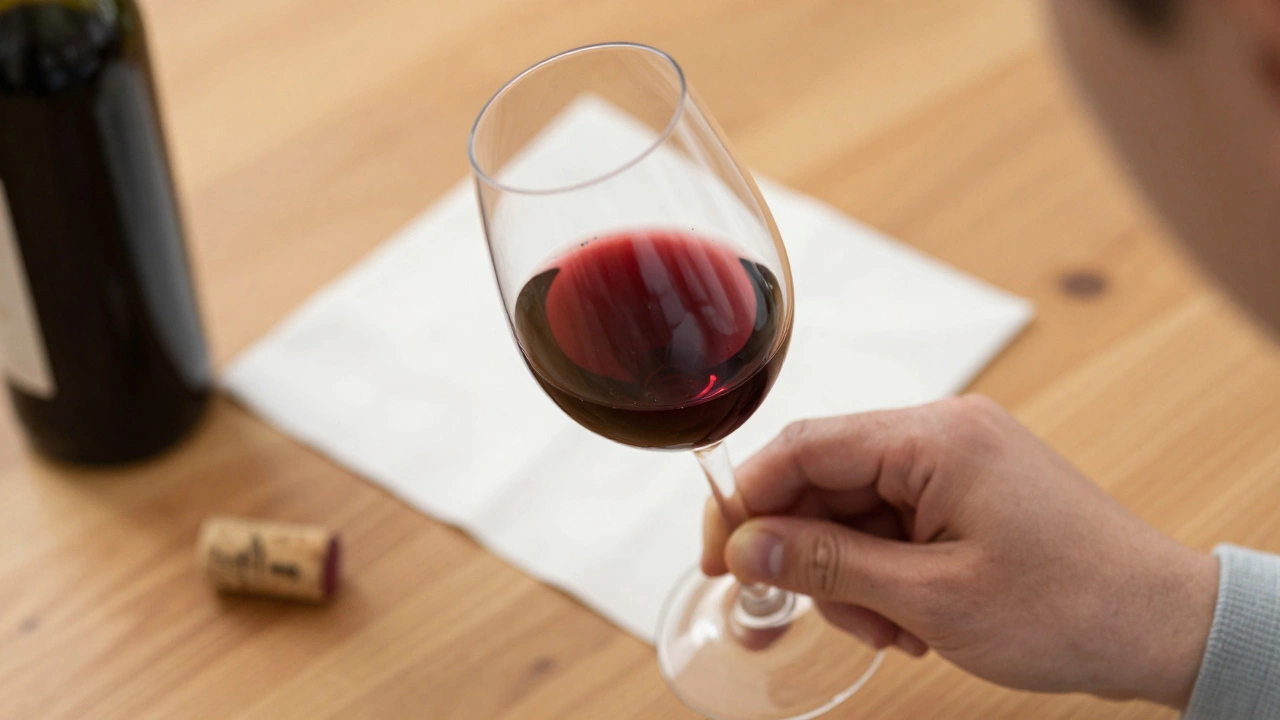
Hold the glass up to a white background-like a napkin or a wall. Tilt it slightly and look at the edge. What do you see? A young red might look purple or ruby. An older one leans toward brick or brown. Whites go from pale lemon to deep gold. Color tells you about age and grape type, but mostly, it’s about setting expectations. A deep red doesn’t mean it’s better. It just means it’s likely fuller-bodied.
Swirl it gently
Swirling isn’t for show. It’s science. Swirling introduces oxygen, which wakes up the aromas. Do it slowly-like you’re stirring soup with your wrist, not your arm. Don’t spill. If you’re nervous, just hold the base and make small circles. You’ll notice liquid clinging to the sides of the glass. Those are "legs" or "tears." They hint at alcohol and sugar content, but don’t overthink them. Thick legs? Might be a high-alcohol wine. Thin ones? Lighter style. It’s not a scorecard. Just a clue.
Nose first, then sip
Put your nose near the rim. Not inside. Breathe in slowly. Don’t sniff like you’re checking for gas. Take two or three gentle sniffs. What comes up? Fruit? Flowers? Earth? Spice? You might smell blackberry, vanilla, wet stone, or even leather. Don’t panic if you don’t recognize anything. That’s normal. Your brain is learning. Try comparing it to things you know: Is it like crushed raspberries? Freshly cut grass? A dusty bookshelf? There’s no wrong answer. Wine aromas come from the grape, the soil, the oak barrel, and how it was made. You’re not tasting flavor yet-you’re reading the preview.
Take a small sip
Don’t gulp. Take just enough to cover your tongue. Let it sit for five seconds. Roll it around your mouth like you’re rinsing. Notice the texture. Is it light like water? Thick like cream? Does it make your cheeks feel dry? That’s tannin-a natural compound in grape skins and oak. Tannins give structure. They’re not bad. Think of them like the grip in a good pair of hiking boots. They help the wine stand up to food.
Now, taste. What flavors hit you first? Fruit? Acid? Sweetness? Bitterness? Most wines aren’t sweet. Even reds labeled "fruity" usually mean ripe fruit flavors, not sugar. The acid? That’s what makes your mouth water. It’s what keeps wine fresh. If you’ve ever bitten into a green apple, that’s acidity. It’s not sourness-it’s liveliness.
Swallow or spit? It’s your call
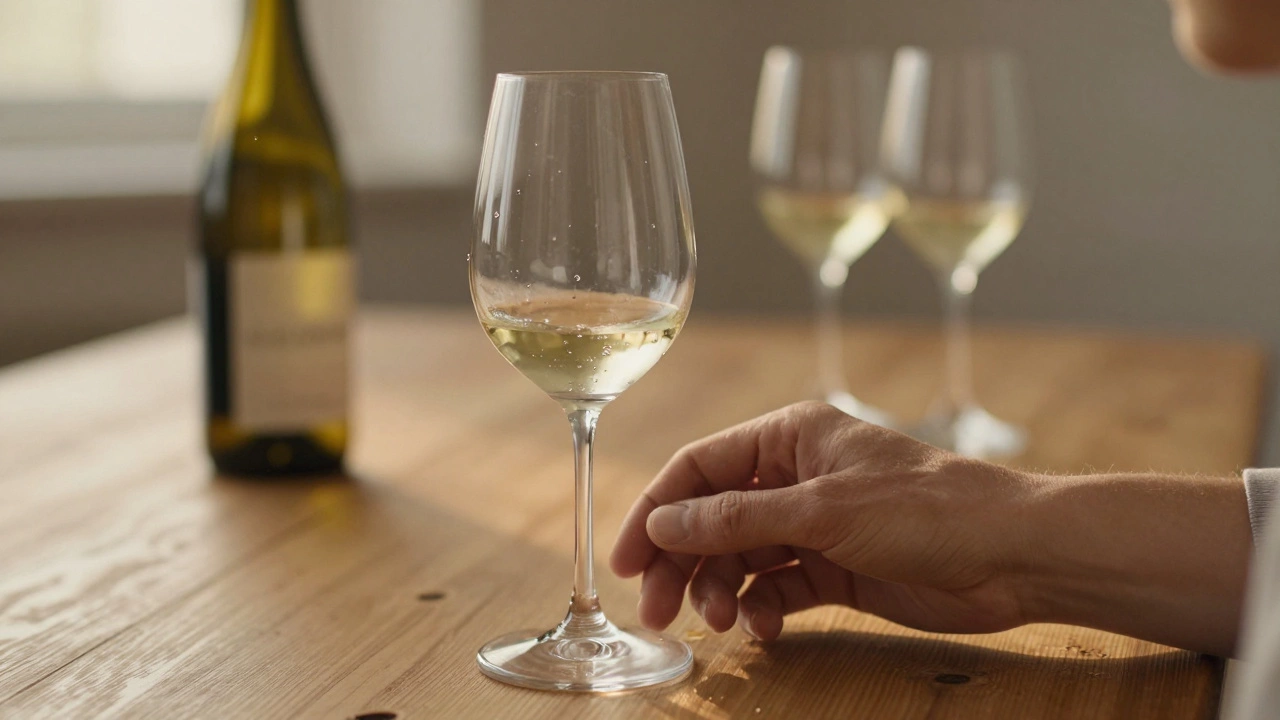
If you’re tasting a few wines, spit. It’s normal. Professionals do it to stay sharp. If you’re at home with a bottle and no agenda, swallow. Pay attention to the finish-the taste that lingers after you swallow. Is it short? A few seconds? Or does it hang on for 20 seconds or more? Long finishes often mean higher quality. But again, it’s not a rule. Some wines are meant to be light and quick. A chilled Pinot Grigio shouldn’t last forever. A bold Shiraz? It might stick around like a good conversation.
Don’t rush the next sip
Wine changes as it opens up. After 10 minutes, the same glass can smell and taste different. That’s normal. Oxygen keeps working. A wine that seemed tight or closed off might suddenly open into plum, smoke, or chocolate. If you’re tasting multiple wines, go from light to heavy. Start with whites, then rosés, then light reds, then bold reds. Save dessert wines for last. They’re sweet. Your palate gets tired.
Keep notes-even simple ones
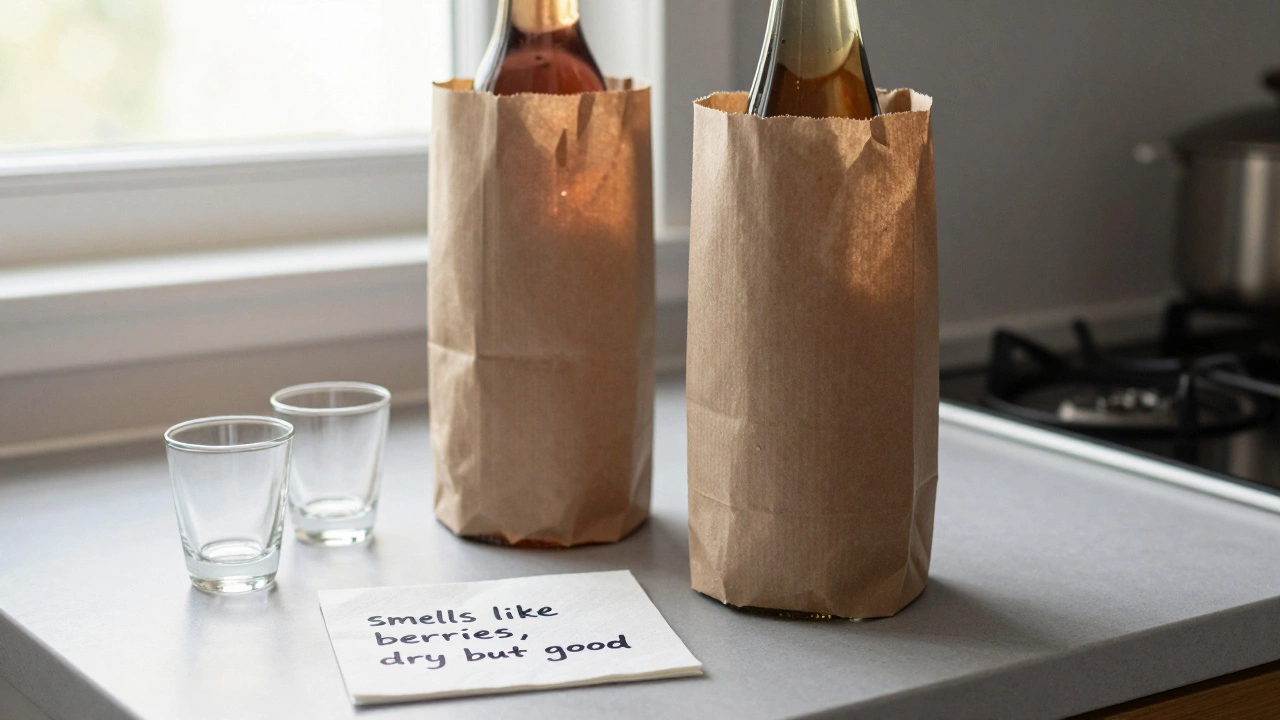
You don’t need a wine journal. A napkin or phone note works. Write down: what you smelled, what you tasted, how it felt in your mouth, and whether you liked it. No fancy words. "Tasted like blackberries, dry, kind of bitter but good." That’s enough. Over time, you’ll start recognizing patterns. Maybe you always like wines with bright acid. Or maybe you notice you prefer ones with a hint of spice. That’s your personal taste starting to form.
Pair it with food you already like
Wine isn’t meant to be drunk alone. It’s made to go with food. Start with what you eat every day. A sharp cheddar? Try a Sauvignon Blanc. A juicy burger? A medium-bodied Merlot works. Spicy Thai? A slightly sweet Riesling cools it down. Don’t chase "perfect pairings." Find what makes you happy. If you love pizza and drink cheap Cabernet, you’re doing it right.
Forget the scorecards
You don’t need to memorize grape names or regions. You don’t need to know if it’s from Napa or Bordeaux. Those matter to sommeliers, not to you. What matters is whether you enjoyed it. A $15 bottle you love is better than a $100 bottle you don’t. Wine tasting isn’t about impressing people. It’s about discovering what you like.
Try this: blind taste test with a friend
Grab two bottles-same price, different types. One red, one white. Put them in brown bags so you can’t see the labels. Pour equal amounts. Taste them side by side. Guess the grape. Guess the country. Then check the labels. You’ll be surprised how often you guess right just by smell and feel. It’s fun. And it trains your senses without pressure.
What to buy as a beginner
Start with these easy-to-recognize styles:
- White: Sauvignon Blanc (citrus, grass), Pinot Grigio (light, crisp)
- Red: Pinot Noir (red fruit, light body), Merlot (plum, soft), Shiraz (dark berry, spicy)
- Sparkling: Prosecco (apple, floral, affordable)
Avoid anything labeled "Reserve," "Estate," or "Grand Cru" at first. Those are marketing terms. Stick to simple labels. Look for regions you’ve heard of: New Zealand for Sauvignon Blanc, Chile for Cabernet, Australia for Shiraz. They’re consistent and easy to find.
Common mistakes to avoid
- Drinking wine too cold or too warm. Whites should be cool-not icy. Reds should be room temperature-not hot.
- Using a wine opener you can’t control. A good waiter’s corkscrew is all you need. No electric gadgets required.
- Believing expensive means better. Many $20 wines taste better than $80 ones.
- Trying to taste everything at once. Focus on one wine. Sip slowly. Let it breathe.
- Feeling dumb because you don’t taste "cherry and leather." You’re not broken. You’re learning.
Wine tasting is about curiosity, not perfection
The best tasters aren’t the ones who name every note. They’re the ones who keep trying. They ask, "Why does this taste different?" They notice how a wine changes over dinner. They remember which one made them smile. That’s all you need. You don’t have to be an expert. You just have to be willing to taste.
Do I need to swirl wine every time?
No. Swirling helps release aromas, especially in fuller-bodied wines. But if you’re drinking a light white or just enjoying a glass casually, skip it. It’s a tool, not a rule.
Can I taste wine without a glass?
You can, but you’ll miss a lot. The shape of the glass helps concentrate aromas and control how the wine hits your tongue. A shot glass or mug won’t give you the full experience. If you’re in a pinch, use a clean water glass. It’s better than nothing.
Why do some wines make my mouth dry?
That’s tannin. It’s a natural compound found in grape skins, seeds, and oak barrels. It’s common in red wines like Cabernet or Syrah. Tannins aren’t bad-they add structure and help wine age. If you find it too harsh, try a lighter red like Pinot Noir or a wine labeled "soft" or "smooth."
Should I chill red wine?
Not in the fridge. But room temperature in most homes is too warm for reds. Aim for about 16-18°C (60-65°F). If your house is hot, pop the bottle in the fridge for 15 minutes before serving. It’ll taste fresher and more balanced.
How long does an opened bottle last?
About 3-5 days if you re-cork it and store it in the fridge. Reds last a bit longer than whites. Use a vacuum pump or inert gas spray if you want to stretch it further. But honestly? If it’s still good after three days, you’re doing better than most.
Next steps
Try tasting one new wine every two weeks. Keep notes. Talk to the person behind the counter at your local wine shop-they’re usually happy to help. Ask for something "approachable" or "beginner-friendly." You’ll find your favorites faster than you think. And remember: the best wine is the one you enjoy, not the one with the highest score.