What Is the First Scene of a Play Called? Understanding the Opening of a Theatrical Performance
 Dec, 1 2025
Play Structure Quiz
Theatrical Play Structure Quiz
Ever sat in a dark theatre, waiting for the curtain to rise, and wondered what that very first moment is actually called? It’s not just the start. It’s not just the first lines. It’s something specific - a built-in piece of theatre grammar that’s been around for centuries. The first scene of a play isn’t just any scene. It’s usually the prologue, though sometimes it’s called the opening scene or the exposition. And how it works can make or break the whole experience.
What Exactly Is a Prologue?
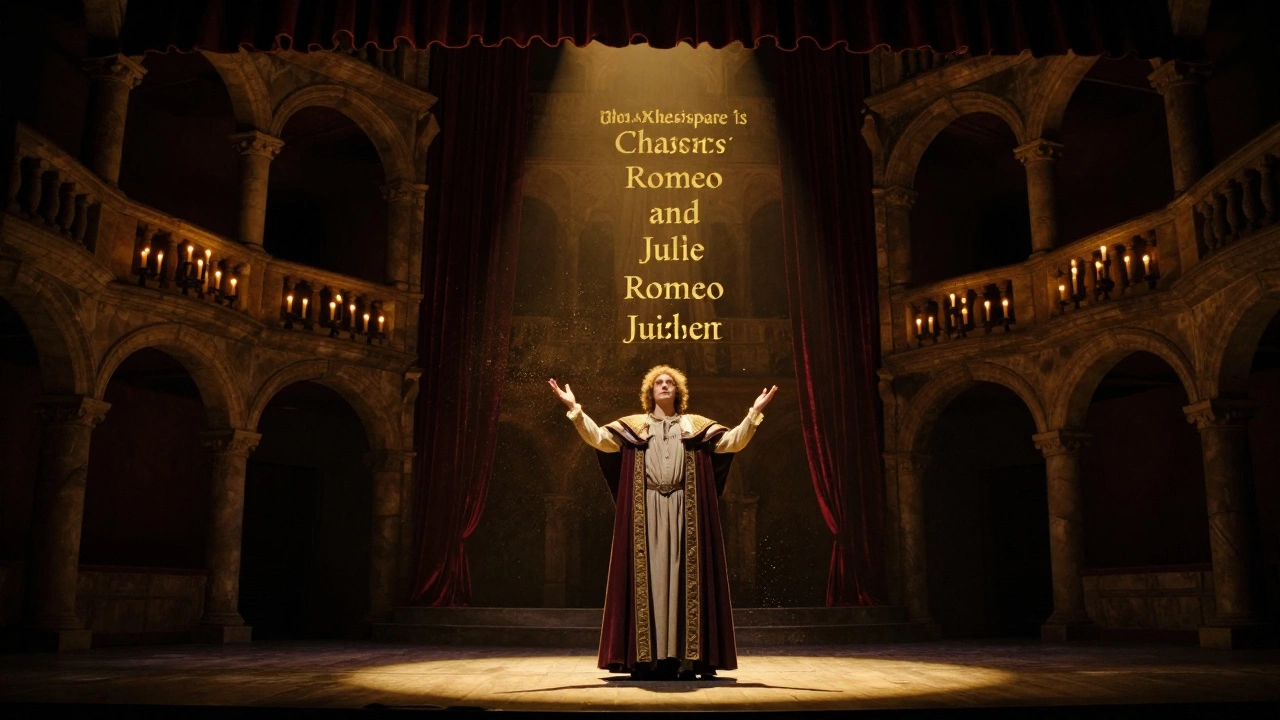
A prologue is a short section that comes before the main action of the play. It’s spoken by one or more characters - sometimes a narrator, sometimes a key figure like a chorus or a god - and its job is to lay the groundwork. Think of it like the trailer before a movie, but written in verse or formal speech. It tells you where the story is set, who the main people are, and what’s at stake. In Shakespeare’s Romeo and Juliet, the prologue is a sonnet delivered by the Chorus. It doesn’t just introduce the families - it tells you right away that the lovers will die. No surprises. And yet, you’re hooked.
Not every play uses a prologue, but when it’s there, it’s intentional. Ancient Greek tragedies used choruses to explain mythological backstories. In medieval morality plays, the Prologue often personified concepts like “Vice” or “Good Deeds.” Even modern plays like Tennessee Williams’ The Glass Menagerie use a narrator (Tom) to frame the story as a memory, making his opening monologue function as a prologue.
When It’s Not a Prologue - The Opening Scene
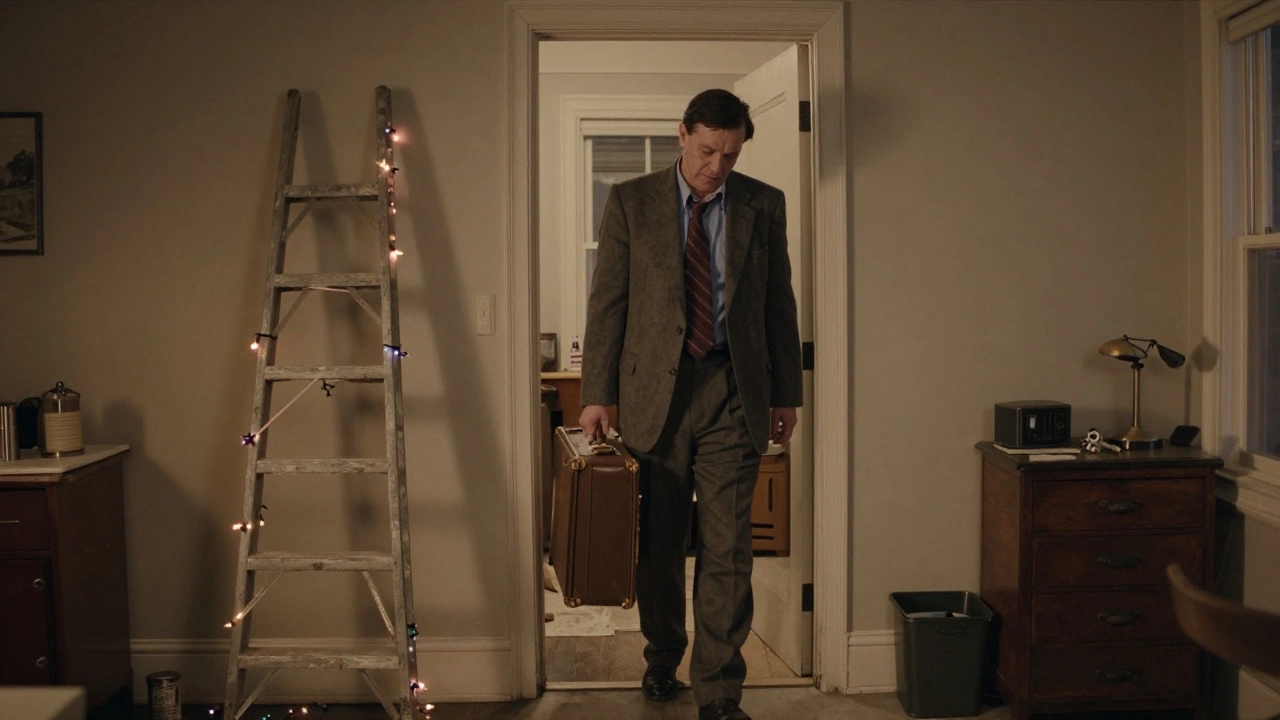
Some plays skip the prologue entirely and dive straight into action. That first moment - the first lines spoken by the first characters who appear on stage - is simply called the opening scene. It’s still doing the same job as a prologue, but more subtly. Instead of being told what’s going on, you’re shown. In Arthur Miller’s Death of a Salesman, the play opens with Willy Loman returning home, exhausted, muttering to himself. No narrator. No summary. Just a man who’s clearly broken. You figure out the rest as you go.
This approach is common in naturalistic theatre. Real life doesn’t come with a narrator, so modern playwrights often avoid prologues to feel more authentic. But even here, the opening scene still does the heavy lifting: it establishes tone, introduces the central conflict, and gives you your first clues about who these people are. A slammed door, a phone ringing, a child crying - these aren’t random. They’re the first notes of a symphony.
The Role of Exposition
Whether it’s a prologue or an opening scene, both serve the same core purpose: exposition. That’s the fancy word for “setting up the story.” Good exposition doesn’t dump information. It weaves it in. In Henrik Ibsen’s A Doll’s House, the first scene shows Nora coming home with Christmas gifts, hiding macaroons from her husband, and joking about debt. You don’t get a speech saying, ‘Nora is trapped in a suffocating marriage.’ You see it in the way she tiptoes, the way she smiles too hard, the way her husband calls her his ‘little squirrel.’ The exposition is in the details.
Bad exposition? That’s when a character says something like, ‘As you know, brother, our father died ten years ago in the war, and ever since, we’ve been fighting over the inheritance.’ Nobody talks like that. Real people don’t remind each other of things they already know. Great plays hide exposition in behavior, in silence, in what’s left unsaid.
Why the First Scene Matters More Than You Think
Plays live or die in the first five minutes. Unlike movies, where you can pause and rewind, theatre doesn’t let you go back. If the audience doesn’t get pulled in by the opening, they’re lost - and they won’t come back. That’s why directors spend weeks rehearsing the first few lines, the first step onto the stage, the first light cue.
Take August Wilson’s Fences. The play opens with Troy Maxson telling stories to his friend Bono on the porch. He’s funny, loud, full of bravado. You think he’s the hero. But by the end of the scene, you’ve already seen his temper, his lies, his fear of being left behind. The opening doesn’t just introduce the character - it plants the seeds of his downfall. That’s the power of a well-crafted first scene.
How Playwrights Decide: Prologue or Opening Scene?
There’s no rulebook. But there are patterns. If the story needs a lot of backstory - myths, family feuds, political history - a prologue helps. Greek tragedies, Shakespeare, and even modern works like Our Town use them. If the story is intimate, personal, or grounded in everyday life - like a play about a divorce, a job loss, or a secret kept - the opening scene works better.
Also, think about the audience. In Shakespeare’s time, people came to the Globe Theatre to hear poetry and learn the plot upfront. Today, audiences expect to figure things out themselves. That’s why you’ll see fewer prologues now. But when they’re used, they’re powerful. The prologue in Henry V asks the audience to imagine armies and battles with nothing but words. It’s a challenge - and it’s magic.

What Happens If the First Scene Fails?
Bad openings make audiences check their watches. They whisper. They shift in their seats. They start thinking about dinner. A play that opens with confusion - unclear characters, no stakes, no rhythm - loses people fast. I’ve seen productions where the first scene drags for ten minutes with no clear who, what, or why. By the time the real story starts, half the audience has mentally checked out.
On the flip side, a great opening can make people lean forward. In Lin-Manuel Miranda’s Hamilton, the first song - “Alexander Hamilton” - doesn’t just introduce the main character. It tells his entire origin story in under four minutes. It’s fast, it’s rhythmic, it’s packed with information. You walk out of that scene knowing exactly who he is, where he came from, and why he matters.
Prologue vs. Opening Scene: A Quick Comparison
| Feature | Prologue | Opening Scene |
|---|---|---|
| Who speaks it? | Narrator, Chorus, or off-stage voice | Main characters in the story |
| Function | Explains backstory, sets tone, warns of fate | Shows action, reveals character through behavior |
| Style | Often poetic, formal, rhythmic | Usually naturalistic, conversational |
| Common in | Classical plays (Shakespeare, Greek tragedy) | Modern realism (Miller, Williams, Wilson) |
| Example | Romeo and Juliet - Chorus sonnet | Death of a Salesman - Willy returns home |
What to Look For When Watching a Play
Next time you’re in the theatre, pay attention to the first minute. Ask yourself:
- Is someone explaining the story? Then it’s probably a prologue.
- Are characters already in motion, doing something ordinary? That’s an opening scene.
- Do you understand who’s who and why it matters? If yes, the playwright did their job.
- Do you feel curious, tense, or moved? That’s the sign of strong exposition.
Great theatre doesn’t need to shout. Sometimes, the quietest moment - a hand trembling, a pause too long, a glance that says everything - is the most powerful opening of all.
Is the prologue always the first thing you see in a play?
No. Some plays begin with a scene, not a prologue. A prologue is a separate section, usually spoken by a narrator or chorus, before the main characters appear. Many modern plays skip it entirely and start with action. Whether it’s there depends on the playwright’s style and the story’s needs.
Can a play have both a prologue and an opening scene?
Rarely, and it’s usually confusing. If a play has a prologue, that’s considered the first part of the performance. What follows is the first scene of the main story. Having two separate introductions - one spoken, one acted - tends to slow things down and dilute impact. Most playwrights choose one or the other.
Do all Shakespeare plays have a prologue?
No. Only a few do. Romeo and Juliet and Henry V have prologues delivered by a Chorus. Most of his other plays, like Hamlet or Macbeth, begin with an opening scene - characters already on stage, talking, fighting, or wondering. Shakespeare used prologues when he wanted to set up mythic or epic stakes right away.
Why do modern plays avoid prologues?
Modern audiences expect realism. Prologues feel artificial - like someone telling you what to think. Playwrights like Arthur Miller, Tennessee Williams, and August Wilson prefer to show, not tell. They let characters reveal the story through behavior, silence, and subtext. It’s more subtle, and it pulls the audience in without explaining everything upfront.
Can the first scene be confusing on purpose?
Yes - and sometimes it’s brilliant. Plays like Samuel Beckett’s Waiting for Godot or Harold Pinter’s The Birthday Party start with ambiguity. You don’t know who these people are or why they’re there. That confusion isn’t a mistake - it’s the point. The mystery becomes part of the theme. But even then, the scene still gives you something: tone, rhythm, mood. It’s not random. It’s designed.