Cheapest Day to See a Broadway Show: Save Money on Tickets
 Nov, 9 2026
Broadway Ticket Price Estimator & Strategy Guide
Stop guessing the "cheapest day." Use this tool to estimate standard prices based on demand trends, then apply smart buying strategies to slash costs further.
Plan Your Visit
Select your options and click Calculate to see estimated price ranges and specific saving strategies.
You paid $150 for a Tuesday night show, only to find out your friend scored the same seat on a Thursday for $79. It feels like you got robbed, right? But here is the twist: there is no single "magic day" that guarantees the lowest price every week. The cheapest day to see a Broadway show depends entirely on demand, not just the calendar. If you are hunting for discounts, you need to understand how theaters fill seats rather than just picking a random weekday.
Most people assume Monday or Tuesday is always cheapest because fewer tourists visit New York then. That used to be true. Today, with dynamic pricing algorithms running most major productions, prices shift hourly based on how many seats remain and how fast they are selling. You might find a Saturday matinee cheaper than a Wednesday evening if a big tourist group cancelled their block booking. To actually save money, you have to stop looking at the date and start looking at the inventory.
The Myth of the Fixed Discount Day
Let’s kill the old advice first. Ten years ago, you could walk into a box office on a Monday morning and get half-price tickets for almost any show. That world is gone. Now, Broadway shows use revenue management systems similar to airlines. A popular musical like Hamilton rarely drops below $100 on weekdays because demand stays high regardless of the day. Conversely, a struggling play might slash prices by 60% on a rainy Thursday afternoon just to get butts in seats.
So, when do you actually see the lowest prices? Generally, mid-week evenings (Tuesday through Thursday) offer better availability for standard-priced tickets, meaning you avoid the premium weekend surcharges. However, the absolute rock-bottom prices usually appear in two specific scenarios: last-minute rush lines and digital lotteries. These aren’t tied to a specific day of the week so much as they are tied to unsold inventory. If a theater has empty rows, they will dump them at steep discounts, often within 24 hours of curtain time.
How Dynamic Pricing Changes the Game
Dynamic pricing means the cost of your ticket changes based on real-time factors. If a celebrity is spotted attending a performance, prices for that specific night might spike. If it’s raining heavily in Manhattan, fewer people go out, and prices might dip slightly closer to showtime. This system makes predicting the "cheapest day" tricky, but it also creates opportunities for savvy buyers.
Here is how the pricing tiers typically work across the week:
- Weekends (Friday-Sunday): Highest base prices. Tourists dominate these slots. Even discounted tickets here are often more expensive than full-price weekday tickets.
- Mid-Week (Tuesday-Thursday): Moderate prices. Business travelers and locals fill these seats. You can often find good deals on remaining inventory without waiting for a lottery.
- Monday Nights: Traditionally the cheapest, but many major shows don’t perform on Mondays due to dark nights. When they do, prices are low, but the selection of available shows is limited.
- Matinees: Often priced lower than evening performances, especially on weekends. A Saturday 2 PM show is frequently cheaper than a Friday 8 PM show.
| Day of Week | Typical Demand | Price Range (Standard Seats) | Best For |
|---|---|---|---|
| Monday | Low | $49 - $99 | Locals, Budget Travelers |
| Tuesday | Moderate | $59 - $129 | Balanced Value |
| Wednesday | Moderate-High | $69 - $149 | Date Nights |
| Thursday | High | $79 - $179 | Pre-Weekend Crowd |
| Friday | Very High | $99 - $250+ | Tourists, Special Occasions |
| Saturday Matinee | High | $79 - $199 | Families, Groups |
| Saturday Evening | Peak | $120 - $300+ | Premium Experience |
| Sunday Matinee | Moderate | $69 - $159 | Relaxed Viewing |

Rush Tickets and Lotteries: The Real Deal Breakers
If you want the truly cheap tickets-think $25 to $50-you shouldn’t care about the day of the week. You should care about being flexible. Rush tickets are sold at the box office on the day of the performance, usually starting two hours before curtain. They are first-come, first-served. Because these tickets are released daily, you can snag a deal on a Saturday just as easily as a Tuesday, provided you are willing to wait in line.
Digital lotteries, like those offered by TodayTix or individual theater apps, work similarly. You enter a draw for a limited number of premium seats at a deep discount. These entries are open 24 hours before the show. Since the pool of entrants is huge, winning is luck-based, but the potential savings are massive. A $200 orchestra seat might cost you $45 if you win. This method works best for shows with high turnover or larger venues where they can afford to give away seats to maintain buzz.
Strategies to Lower Your Cost Beyond the Calendar
Since the day of the week is less important than you think, focus on these actionable tactics instead:
- Book Matinees: As noted earlier, afternoon shows are consistently cheaper. If you are visiting NYC, try to schedule your theater trips for Saturdays or Sundays at 2 PM. You get the weekend vibe without the weekend price tag.
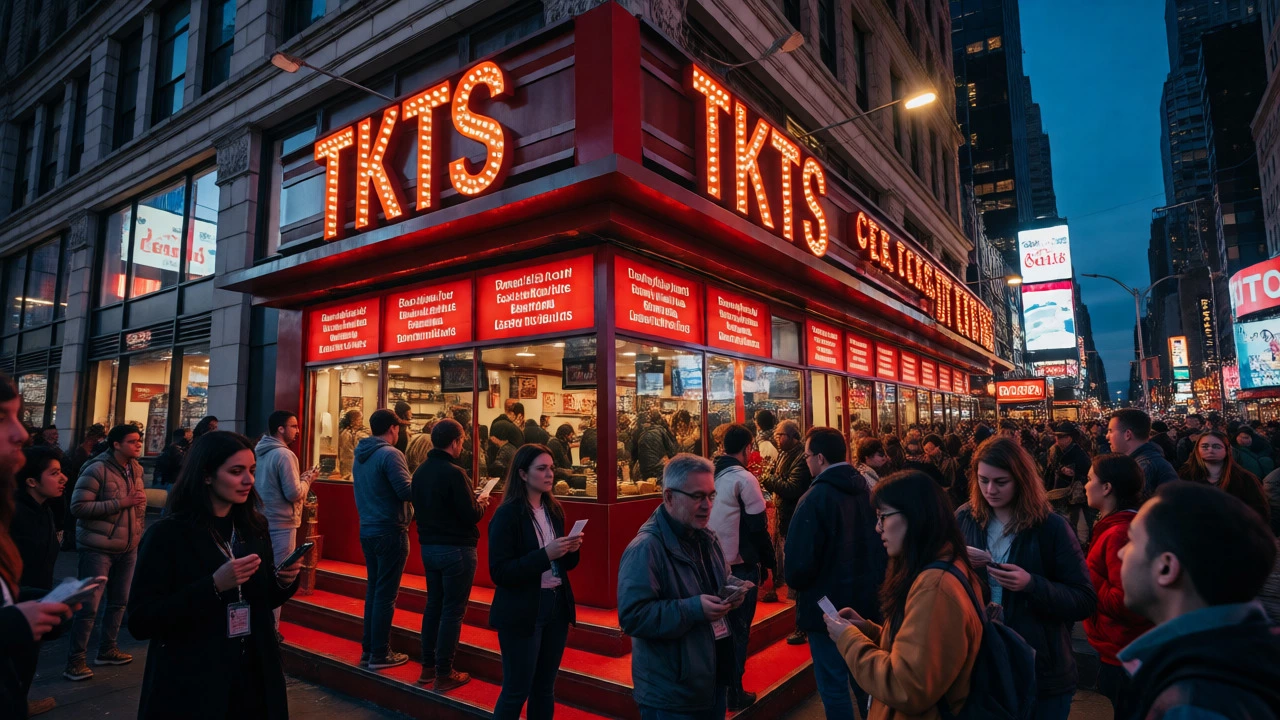
- Check TKTS Booths: Located in Times Square, the TKTS booth sells same-day tickets for up to 50% off. Their board updates throughout the day. If you see a show listed with a 40% discount on a Friday, grab it. Don’t wait for it to get cheaper; it might sell out.
- Avoid Premium Shows: Hit musicals like Wicked or The Lion King rarely drop below $80 even on Tuesdays. If budget is your primary concern, look for plays or smaller musicals. A non-hit play might offer $49 tickets on a Wednesday, whereas a hit musical won’t budge from $120.
- Use Student or Senior Discounts: Many theaters offer ID-based discounts that apply regardless of the day. Always ask if you qualify before buying full price.

When Prices Spike Unexpectedly
Be aware of external factors that ruin the "cheap day" logic. Holiday weekends (Thanksgiving, Christmas, New Year’s) see inflated prices across all days. During summer months, tourist influx drives up costs even on weekdays. Also, check for "Preview" performances. Before a show officially opens, previews are often cheaper. Once opening night hits, prices jump. If you catch a show during its preview run, you can save significantly, regardless of which day of the week it falls on.
Conversely, weather plays a role. In winter, blizzards can lead to canceled shows or last-minute price drops as theaters try to recover lost revenue. Keep an eye on local news if a storm is forecasted. It’s rare, but it happens.
Final Verdict: What Should You Buy?
There is no secret code for the cheapest day. Instead, adopt this mindset: Flexibility beats timing. If you must pick a day, aim for Tuesday or Wednesday evenings for a balance of availability and moderate pricing. But if you want the lowest possible cost, ignore the calendar and chase unsold inventory via rush lines, lotteries, or TKTS booths. Check prices one week out, then again two days out. You’ll often see prices drop as showtime approaches if the house isn’t full. Don’t lock in a price three months in advance unless it’s a guaranteed hit like Hamilton, where prices only go up.
Is Monday really the cheapest day for Broadway?
Not necessarily. While Mondays traditionally had lower demand, many major shows do not perform on Mondays. For shows that do, prices are lower, but the selection is limited. Mid-week days (Tue-Thu) often offer better value with more show options.
Can I get cheap tickets on weekends?
Yes, but it requires strategy. Weekend matinees (Saturday/Sunday afternoons) are often cheaper than evening performances. Additionally, rush tickets and lotteries are available every day, including weekends, allowing you to access deep discounts if you are flexible.
What are rush tickets?
Rush tickets are discounted tickets sold on the day of the performance, usually starting two hours before curtain time. They are first-come, first-served at the box office. They offer significant savings but require patience and flexibility regarding seat location.
Do Broadway prices change daily?
Yes, most major Broadway shows use dynamic pricing, meaning ticket costs fluctuate based on demand, remaining inventory, and proximity to showtime. Prices can increase as seats sell out or decrease if sales are slow.
Where is the best place to buy discounted Broadway tickets?
The TKTS booth in Times Square is famous for same-day discounts. Online platforms like TodayTix and official theater websites also offer lotteries and flash sales. Always compare the official box office price against third-party resellers to ensure you aren't paying a markup.