How to Outsmart an Escape Room: Pro Tips for Winning
 Nov, 15 2026
Escape Room Strategy Simulator
Input your team details to receive a tailored game plan and win probability estimate.
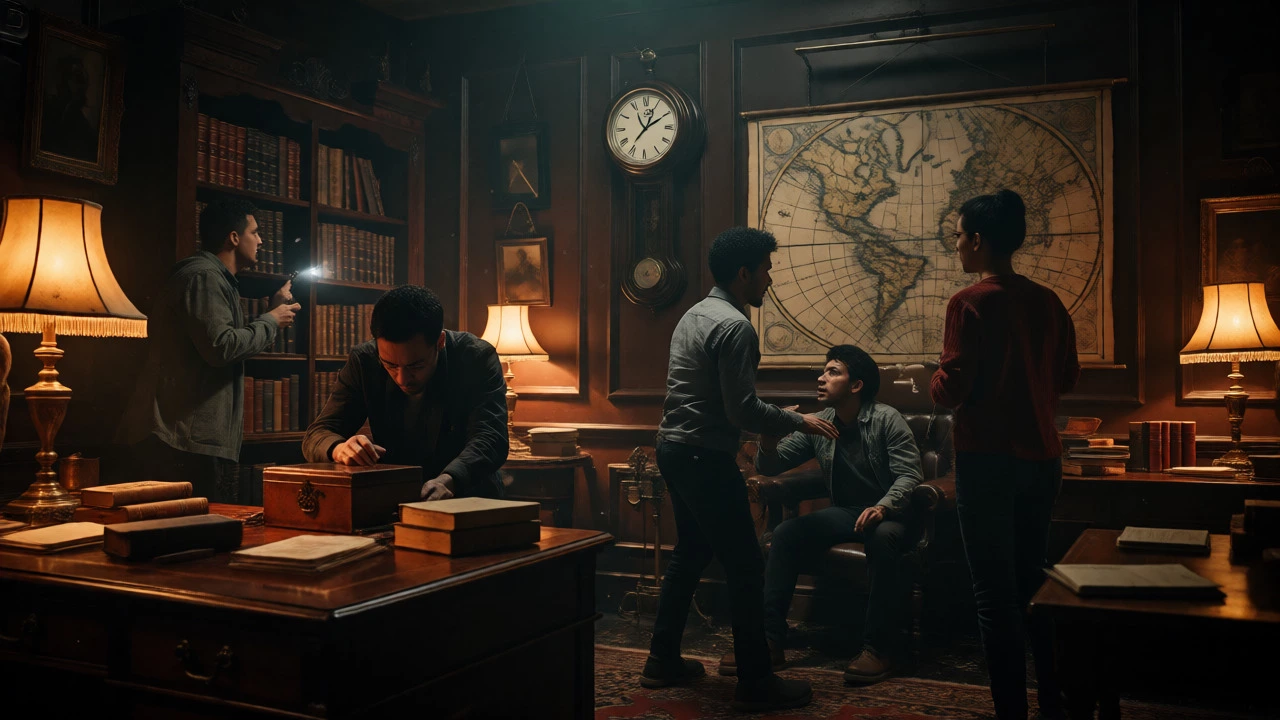
You’re locked in a dimly lit Victorian study. The clock is ticking down from sixty minutes. Your friend is frantically shaking a bookshelf while another teammate is staring blankly at a locked box. Sound familiar? Most teams fail their first escape room not because they aren’t smart, but because they play badly. They work in silos, hoard clues, and panic when the timer hits ten minutes.
Beating an escape room isn’t about being a genius. It’s about process. It’s about knowing how to communicate, how to divide labor, and how to spot the red herrings that game masters love to hide in plain sight. Whether you are tackling a horror-themed challenge in Sydney or a sci-fi mystery abroad, the logic remains the same. Here is how you stop playing like a tourist and start playing like a pro.
Master the Art of Team Communication
The biggest killer of escape rooms is silence-or worse, chaotic noise. If everyone talks at once, no one hears anything. You need a system. The most effective method I’ve seen used by high-performing teams is "Call-Out Culture." When you find something, you announce it immediately, even if it seems useless. "Found a blue key," "There’s a map on the wall," "This drawer sticks." This creates a shared mental model for the entire group.
But talking isn’t enough; you have to listen. Assign one person as the "Information Hub" early on. This person doesn’t solve puzzles necessarily, but they track what has been found and what has been tried. If someone says, "I tried the blue key on the red box," the Hub remembers that so five minutes later, another player doesn’t try it again. This simple role eliminates redundant effort, which is where most teams lose precious seconds.
Active Listening in this context means acknowledging every clue heard. If a teammate mentions a date on a painting, do not ignore it because you are busy with a lock. Echo it back: "Date on painting noted." This confirms receipt and keeps the information alive in the group’s collective memory.
Divide and Conquer (But Stay Connected)
Never let two people stare at the same object unless they are actively collaborating on a specific mechanism. In a standard four-to-six-person room, you should aim for parallel processing. One person takes the desk, another takes the shelves, another takes the walls. Why? Because human attention is narrow. Four people scanning a single shelf will miss details that one focused person would catch instantly.
However, isolation is dangerous. Check in every few minutes. "Hey, did anyone else see a Roman numeral?" This prevents tunnel vision. A common mistake is getting stuck on a complex puzzle for fifteen minutes while three other players are idle. If you hit a wall, pass it. Hand the difficult item to someone who hasn’t looked at it yet. Fresh eyes often see patterns that tired eyes miss.
- The Scanner: Looks for hidden objects, numbers, and colors.
- The Solver: Good at math, logic grids, and wordplay.
- The Organizer: Keeps track of keys, codes, and open locks.
- The Communicator: Ensures all findings are shared and no one is stuck alone.
Identify the Game Master’s Logic
Every escape room is designed by humans, which means it follows human logic-and sometimes, lazy design. Once you understand the typical patterns, you can predict where answers hide. Look for consistency. If the theme is "Egyptian Tomb," expect hieroglyphs, sand, and gold. If you find a modern USB drive in an ancient tomb, it’s either a joke or a critical clue linking eras.
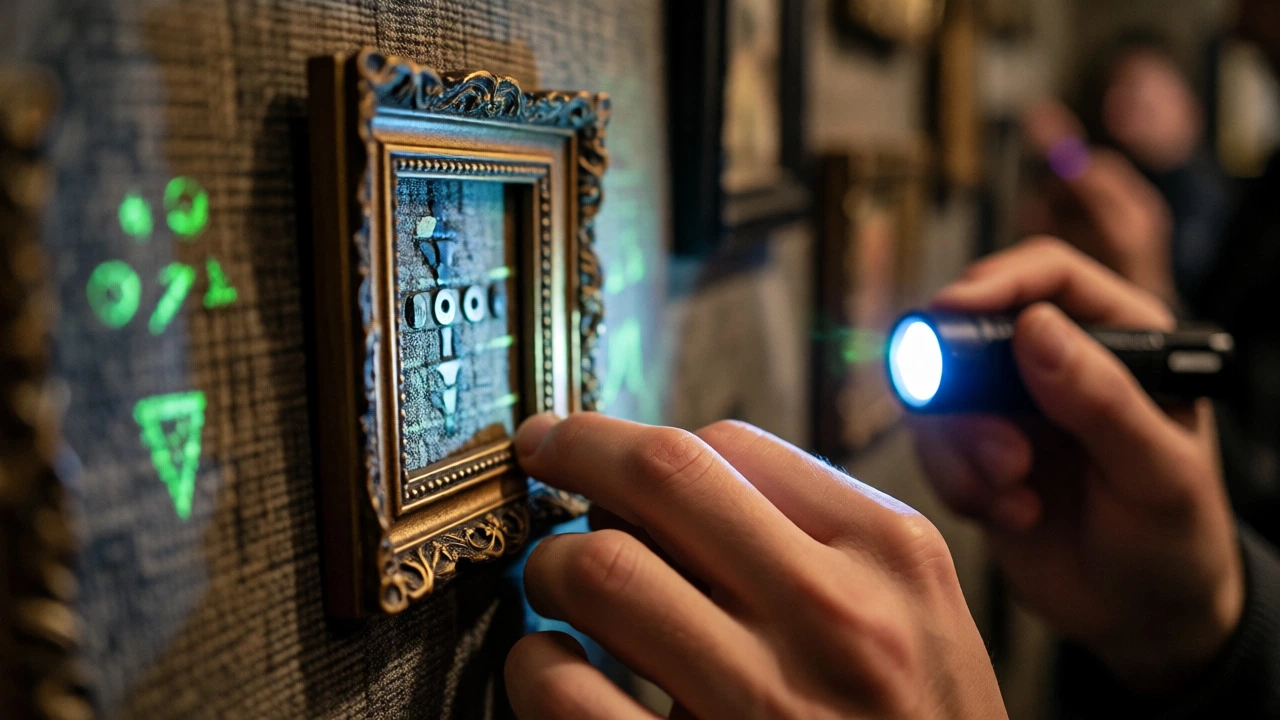
Pay attention to emphasis. Designers use lighting, texture, and placement to guide your eye. If a picture frame is slightly crooked, straighten it. Often, the code is behind it. If a book looks out of place on a shelf, pull it. It might be a lever. These physical interactions are rarely accidental. The room wants you to touch things. If you haven’t opened every drawer, lifted every rug, and checked under every table, you haven’t searched thoroughly.
| Puzzle Type | Typical Mechanism | Quick Tip |
|---|---|---|
| Numeric Locks | 4-6 digit combination | Look for dates, phone numbers, or sums of visible numbers. |
| Directional Locks | Up, Down, Left, Right | Map clues to compass directions or arrow symbols on walls. |
| UV Light Puzzles | Invisible ink | Shine light on white surfaces, books, and clothing first. |
| Magnets | Magnetic locks/chests | Use metal objects to test for magnetic pull inside boxes. |

Manage Your Time Ruthlessly
Time distortion is real. Ten minutes feels like two when you’re engaged. By minute forty-five, you should have completed at least half the room. If you are still searching for basic items, you are moving too slowly. Set internal deadlines. At thirty minutes, you must have solved the initial layer of puzzles. If you haven’t, regroup. Stop individual searching and gather everyone for a five-minute brainstorm.
Don’t fall in love with a puzzle. Some designers include optional side quests or red herrings that look important but lead nowhere. If a puzzle hasn’t yielded progress in ten minutes, put it aside. Mark it mentally and move on. Come back to it later with fresh energy. Sticking with a dead-end puzzle drains morale and eats up the time needed for easier wins.
Leverage Hints Strategically
Asking for help isn’t cheating; it’s resource management. Game Masters want you to finish. They monitor your camera feeds and know exactly where you are stuck. But don’t ask for hints randomly. Be specific. Instead of saying, "We’re stuck," say, "We found the UV light and the invisible message, but we can’t figure out what to do with the coordinates." This gives the GM enough context to nudge you without spoiling the solution.
Most rooms offer unlimited hints, though some penalize your score. Use them liberally if you are close to the end. There is nothing worse than finishing with one lock remaining and running out of time because you were too proud to ask for a hint. Remember, the goal is to escape, not to prove you never needed help.
Physical Awareness and Safety
Escape rooms are physical spaces. Watch your step. Avoid wearing heels or loose scarves that could get caught in mechanisms. Respect the props. If a door requires force, there is usually a handle or a specific way to push it. Yanking random handles won’t open a magnetic lock. If something feels stuck, stop pulling and look for a release button or a keyhole.
Also, keep your personal items organized. Phones are usually banned, but wallets and jackets need a designated spot. Losing a jacket in the chaos adds unnecessary stress. Keep your hands free. The more you fumble with pockets, the slower you move. Wear clothes with pockets if possible, or designate one person to hold the "loot bag" for collected keys and tools.
Debriefing: Learn From Every Room
After you escape (or fail), take five minutes to talk about what happened. What worked? What didn’t? Did you miss a clue because you weren’t communicating? Did you waste time on a red herring? This reflection makes you better for the next room. Teams that debrief improve significantly over just three or four sessions.
Notice the style of the venue. Some venues favor tech-heavy puzzles with RFID sensors, while others rely on mechanical locks and keys. Knowing the venue’s style helps you adjust your strategy. For example, if you know a venue uses lots of blacklights, bring your own UV flashlight if allowed, or check for glowing elements earlier in the game.
What is the ideal number of people for an escape room?
Four to six people is generally the sweet spot. Fewer than four can lead to burnout and missed clues due to limited perspectives. More than six often results in overcrowding, noise, and people standing around waiting for tasks. Check the specific room's capacity limit before booking.
Do I need to be good at math to win?
No. While some puzzles involve arithmetic, most rely on observation, pattern recognition, and lateral thinking. If you struggle with math, pair up with someone who enjoys numbers. Communication bridges skill gaps effectively.
What happens if we run out of time?
Usually, the Game Master enters and lets you continue until you solve the final puzzle, or they simply unlock the exit door. You still get to experience the ending. Some competitive leagues count time over, but casual players just enjoy the narrative conclusion.
Are escape rooms scary?
It depends on the theme. Horror-themed rooms may include actors, darkness, and jump scares. Adventure or mystery themes are typically safe for families. Always read the description and age recommendations before booking if you are sensitive to fear.
Can I wear my watch into the room?
Most venues prohibit watches and phones to prevent cheating or distraction. However, many provide a large countdown timer on the wall. If you really need time awareness, ask the staff beforehand if analog watches are permitted, as digital ones are almost always banned.