What Happens When You Go Wine Tasting? A Step-by-Step Guide
 Aug, 30 2026
Wine Tasting Simulator & Quiz
Master the art of wine tasting by following these steps, then test your knowledge with our quick quiz.
The 5 Steps of Professional Tasting
Test Your Knowledge
Question 1 of 5
Quiz Complete!
Your Score:
You walk into a room that smells like crushed grapes and oak barrels. Someone hands you a glass of red liquid, tells you to swirl it, and then asks what you think. Panic sets in. Do you need a fancy vocabulary? Are you supposed to spit or swallow? What exactly is happening inside your brain when you take that first sip?
Wine tasting is a structured sensory evaluation of wine using sight, smell, and taste to assess its quality and characteristics. It’s not just drinking; it’s decoding a story written by the grape, the soil, and the winemaker. Whether you’re at a vineyard tour in Napa Valley or a casual meetup at a local shop, understanding the mechanics of the process turns a confusing ritual into an enjoyable experience. Let’s break down exactly what happens, step by step, so you never feel out of place again.
The Setup: More Than Just Pouring Drinks
Before you even lift a glass, the environment plays a huge role. Professional tastings are designed to minimize distractions. The lighting is usually neutral-often white or natural light-so you can see the true color of the wine without yellow bulbs skewing the hue. Glasses are standardized, typically ISO-certified tulip-shaped glasses, because the shape concentrates aromas toward your nose. If you’re handed a stemless tumbler, you’re likely in a casual setting, but for serious analysis, the glass matters.
The host might explain the flight-the selection of wines you’ll try. This could be a vertical tasting (same wine from different years) or a horizontal one (different producers from the same year). They might also mention if the wines will be served blind, meaning you won’t know the label until after you’ve formed your opinion. This removes bias, forcing you to judge based on sensory input alone rather than price tags or brand reputation.
Step One: Look Before You Leap
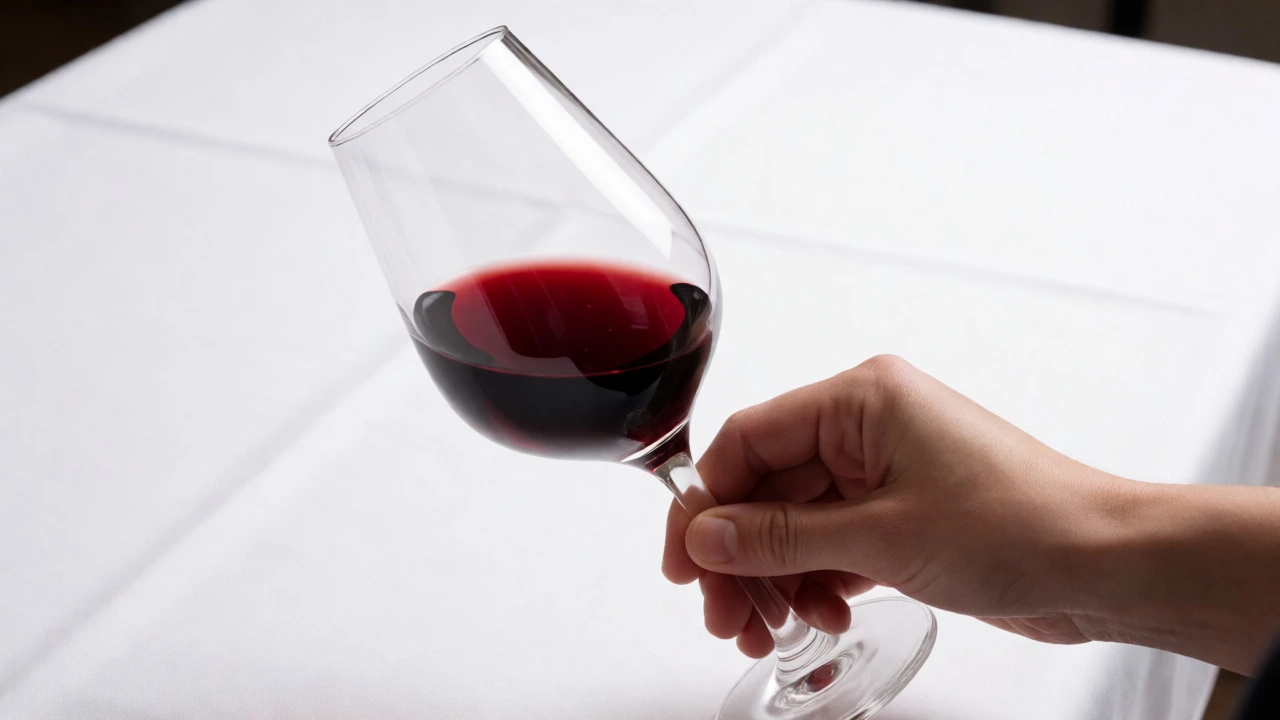
The first thing you do isn’t drink. It’s look. You tilt the glass against a white background, like a tablecloth or a piece of paper. Why? Because wine color is an indicator of age, grape variety, and potential alcohol content.
- Hue: Young whites often look pale yellow or greenish. As they age, they turn golden or amber. Reds start as bright purple or ruby and fade to brick-orange or brown over time.
- Clarity: Is the wine clear or cloudy? Cloudiness can indicate unfiltered wine, which is trendy now, or a fault. Most commercial wines should be brilliant and clear.
- Viscosity: Watch the "legs" or "tears" that form on the side of the glass after you swirl them. Thick, slow-moving legs suggest higher alcohol or sugar content. Thin, fast-running legs point to lighter, drier wines.
This visual inspection primes your brain. If you see a deep, opaque purple, you expect bold flavors. If you see a translucent orange, you anticipate something lighter or aged. It’s about setting expectations before you engage your other senses.
Step Two: Swirl and Smell
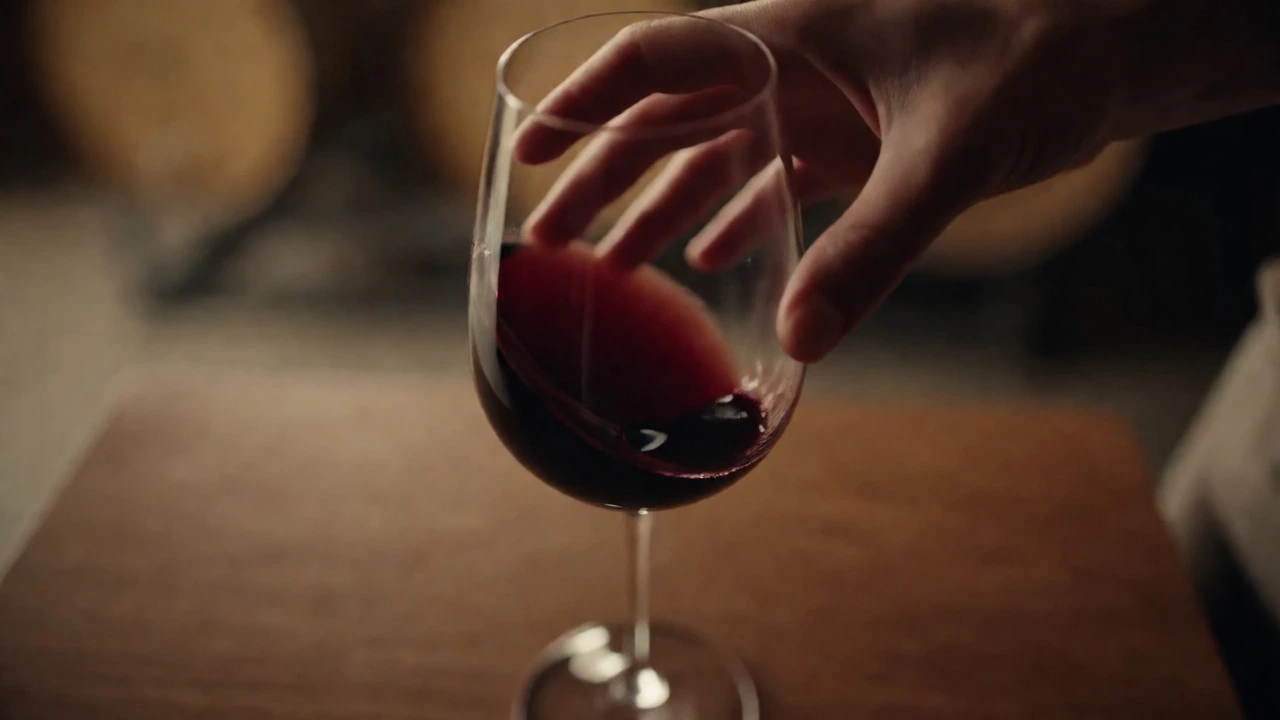
Now comes the part everyone mimics: swirling. You don’t need to be graceful; you just need to get oxygen into the wine. Oxygen releases volatile aromatic compounds, making the smells stronger and more distinct. Hold the glass by the stem, place it on a flat surface, and draw small circles with your hand. Or, if you’re confident, lift it and rotate your wrist.
Once the wine is aerated, stick your nose in the glass. Don’t be shy-get your nose close to the rim. Take short, quick sniffs. Long, deep breaths can overwhelm your olfactory receptors, causing "nose blindness." Your goal is to identify three layers of aroma:
- Primary Aromas: These come directly from the grape. Think fruits, flowers, herbs, and spices. A Sauvignon Blanc might smell like gooseberry or cat pee (yes, really); a Cabernet Sauvignon might smell like blackcurrant or bell pepper.
- Secondary Aromas: These result from fermentation. Yeast contributes bread dough, cheese, or beer-like notes. Malolactic fermentation adds creamy or buttery scents, common in Chardonnay.
- Tertiary Aromas: These develop during aging, especially in oak barrels or bottles. Vanilla, toast, cedar, leather, tobacco, and dried fruit fall here. If a wine smells like vanilla, it likely spent time in new French oak.
If you can’t name the specific scent, use comparisons. Does it smell like jam? Fresh cut grass? Wet stones? There are no wrong answers, only less precise ones.
Step Three: Taste and Analyze
Take a small sip-about half a teaspoon. Don’t swallow immediately. Instead, slurp air into your mouth while the wine sits there. This technique, called "chewing," aerates the wine further across your entire palate. Then, let it roll around your tongue. Pay attention to four main components:
| Component | Where You Feel It | What It Means |
|---|---|---|
| Acidity | Sides of the tongue, jawline | Makes your mouth water. High acidity makes wine crisp and refreshing; low acidity feels flat or oily. |
| Tannin | Gums, cheeks, roof of mouth | A drying, bitter sensation found mostly in reds. High tannins feel grippy; low tannins feel smooth. |
| Alcohol | Back of throat, warmth | High alcohol creates a warming sensation. Too much heat can make the wine feel unbalanced. |
| Body | Weight on the tongue | Light body feels like skim milk; full body feels like cream. Influenced by alcohol, sugar, and extract. |
Beyond these structural elements, look for flavor intensity and complexity. Does the taste match the smell? If it smells like strawberries but tastes like cardboard, something’s off. Balance is key-a great wine has harmony between acid, tannin, alcohol, and fruit. No single element should dominate unless it’s stylistically intentional.
Step Four: Spit or Swallow?
This is the biggest anxiety for beginners. At professional tastings, spitting is standard practice. Sommeliers taste hundreds of wines a day; swallowing them all would lead to rapid intoxication and impaired judgment. There’s a spittoon on every table. Use it. It’s not rude; it’s professional.
At casual tastings, you have options. Many venues offer a "spit bucket" option even for guests. If you choose to swallow, pace yourself. Eat some plain crackers or bread between pours to reset your palate and absorb alcohol. Remember, the goal is to evaluate, not to get drunk. Being buzzed actually dulls your sense of smell and taste, making the rest of the flight harder to analyze.
Step Five: The Finish and Conclusion
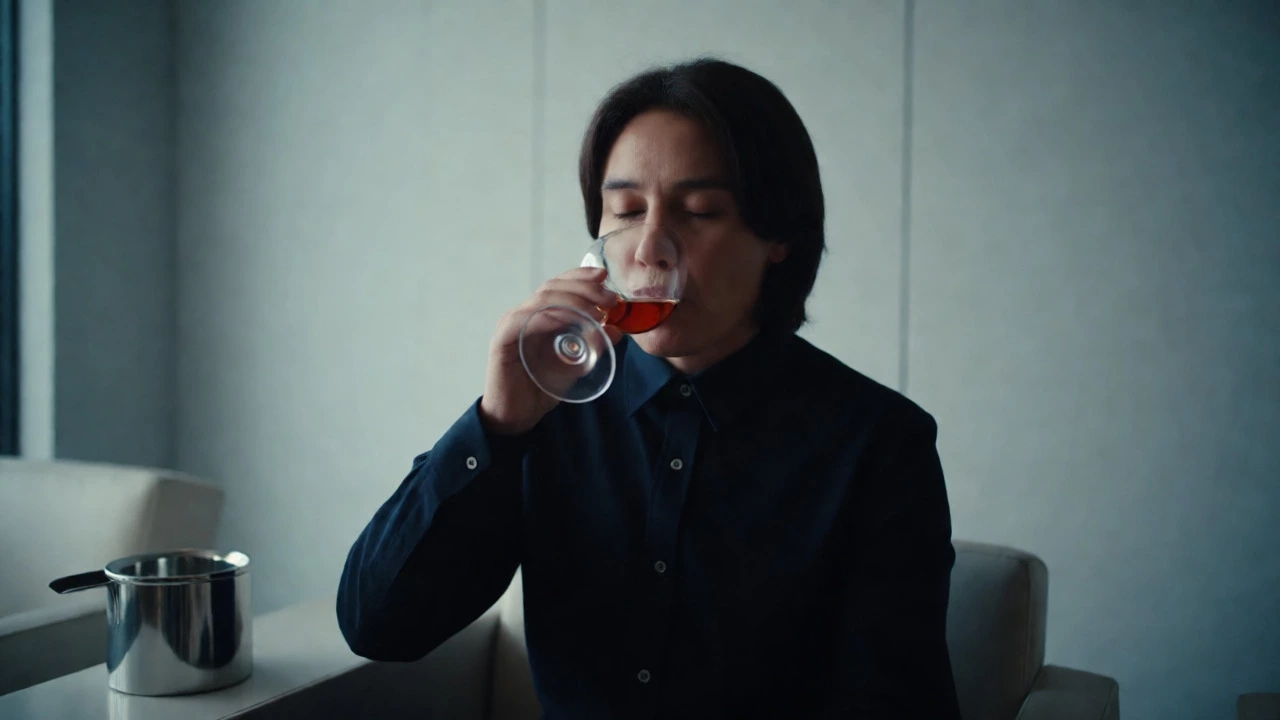
After you spit or swallow, pay attention to the finish-the lingering taste and sensation left in your mouth. How long does it last? A short finish (a few seconds) suggests a simple, everyday wine. A long finish (10+ seconds) indicates quality and complexity. This is often called "length" or "persistency."
Finally, form your overall impression. Did you like it? Was it balanced? Would you buy it? In professional scoring systems, like the 100-point scale used by critics, points are awarded for balance, typicity (how well it represents its grape), and complexity. But for you, personal preference reigns supreme. You might find a highly-rated Bordeaux too tannic and prefer a fruity Zinfandel. That’s valid.
Common Pitfalls and Pro Tips
Don’t wear perfume or cologne. Strong scents clash with delicate wine aromas. Arrive with a clean palate-avoid spicy food, coffee, or mint gum right before tasting. Stay hydrated with water, which helps cleanse your palate between samples.
Also, don’t worry about having a "bad nose." Olfactory memory is powerful. Everyone recognizes certain smells; we just lack the labels. Practice expanding your vocabulary by smelling everyday items: lemons, apples, chocolate, wet earth. Over time, identifying these in wine becomes intuitive.
Do I need to know wine terminology to enjoy a tasting?
No. While terms like "tannin" and "acidity" help communicate findings, enjoyment is subjective. Focus on whether you like the taste and smell. Describing it simply as "fruity," "smooth," or "sharp" is perfectly acceptable.
Why do people swirl their wine glasses?
Swirling introduces oxygen to the wine, which helps release aromatic compounds. This makes the smells more pronounced and easier to detect. It also allows you to observe the wine's viscosity through the formation of "legs" on the glass.
Is it okay to spit out the wine during a tasting?
Yes, it is encouraged, especially at formal events or when sampling many wines. Spitting prevents intoxication, allowing you to maintain clarity and accurately assess each wine throughout the session.
What is the difference between primary, secondary, and tertiary aromas?
Primary aromas come from the grape itself (fruit, floral). Secondary aromas result from fermentation processes (yeast, butter). Tertiary aromas develop during aging in oak or bottle (vanilla, leather, dried fruit).
How long should a good wine's finish last?
A high-quality wine typically has a finish lasting 10 seconds or longer. Short finishes (under 5 seconds) are common in simpler, younger wines. Longer finishes generally indicate greater complexity and concentration.