What Is a Kidnapping Escape Room? A Guide to High-Stakes Immersion
 Nov, 26 2026
Kidnapping Escape Room Matchmaker
Not all escape rooms are created equal. Traditional rooms test your logic; kidnapping scenarios test your nerve and communication. Answer these 5 questions to see which style suits you best.
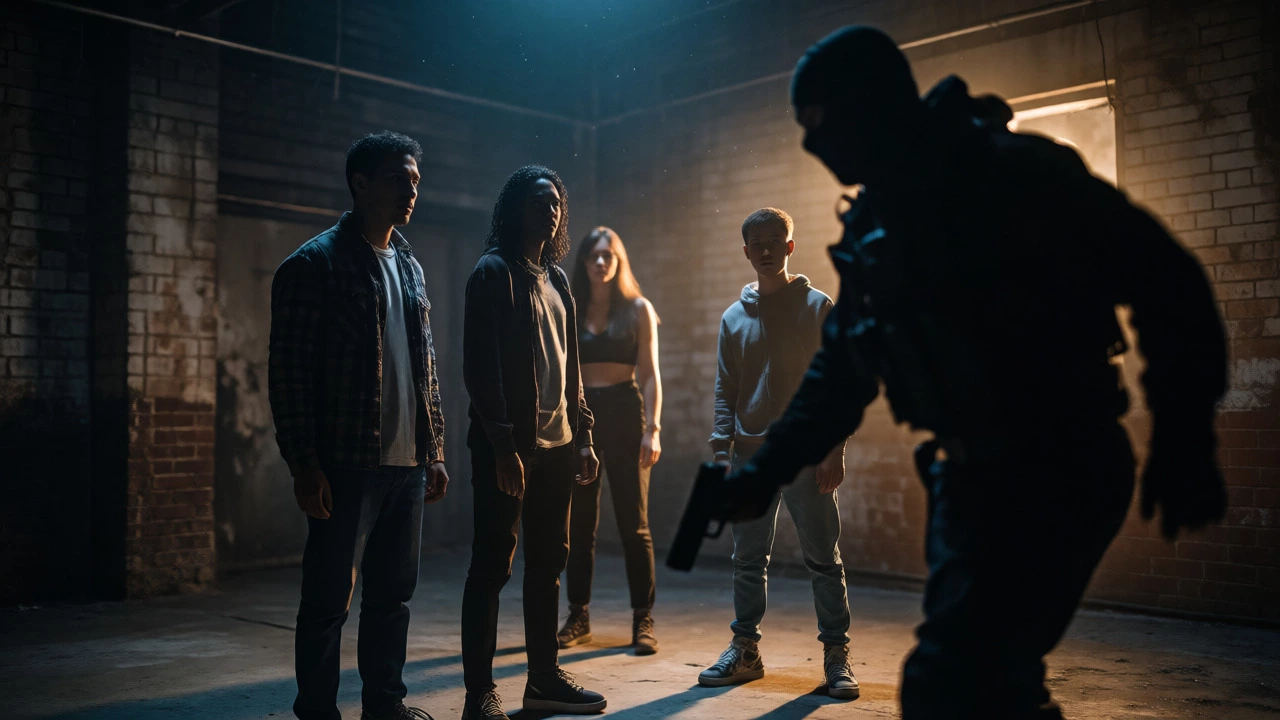
You walk into a darkened warehouse. The door slams shut behind you. No puzzles on the wall, no locked chests with combination dials. Instead, a masked figure steps out of the shadows, points a prop gun at your chest, and says, "You have thirty minutes before we move you." This isn't just an escape room; it's a kidnapping escape room, a subgenre of interactive live-action experiences that blends puzzle-solving with high-stakes narrative immersion and actor-led tension.
If you're used to traditional escape rooms where you solve riddles in a static room, this concept might sound terrifying-or exactly what you've been craving. Unlike standard games that rely on logic and observation, kidnapping scenarios rely on adrenaline, roleplay, and social dynamics. Are you ready to trade your comfort zone for a plot twist? Let’s break down how these experiences work, why they’re gaining traction in cities like Sydney, and whether you should book one next weekend.
Defining the Experience: More Than Just Puzzles
A standard escape room is essentially a video game brought to life: you enter a space, find clues, unlock doors, and leave. A kidnapping escape room flips the script. Here, the environment is secondary to the situation. You are not exploring a museum or a spaceship; you are a victim (or sometimes a negotiator) in a unfolding crime drama. The central entity here is the Narrative Arc, which dictates the pacing and emotional tone of the game. In traditional rooms, the narrative is often thin-just enough context to justify the locks. In kidnapping scenarios, the story is the engine. Every interaction with an actor changes the outcome. If you anger the captor, they might withhold a key. If you cooperate, they might slip you a hint disguised as a threat.
This distinction matters because it changes the skill set required. You don’t need to be good at math or pattern recognition. You need to be good at reading people, staying calm under pressure, and communicating clearly. It’s closer to improv theatre than a Sudoku puzzle. Many players report feeling a genuine physiological response-elevated heart rate, sweaty palms-that rarely happens in static puzzle rooms. This is the core value proposition: visceral engagement over intellectual abstraction.
The Role of Live Actors in Kidnapping Scenarios
The biggest differentiator in a kidnapping escape room is the presence of Live Actors, trained performers who interact directly with participants throughout the experience. In a typical horror-themed escape room, actors might jump out to scare you once or twice. In a kidnapping scenario, they are constant companions. They might tie you up, interrogate you, or negotiate with you via radio while you’re locked in a separate cell.
These actors aren't just there for atmosphere; they are dynamic game masters. Their behavior adapts to your group’s energy. If your team is too passive, the actor might escalate the tension, raising their voice or moving props around. If your team is too aggressive, they might pull back to keep the experience safe and enjoyable. This adaptability ensures that no two runs are exactly alike. One group might escape by bribing the guard with information found in a hidden pocket; another might escape by physically picking a lock while the guard is distracted by a staged emergency.
However, this reliance on human performance introduces variability. A bad actor can ruin the immersion, breaking character or forgetting cues. When booking, look for venues that advertise "professional theatre background" or "improv training" for their cast. Reading recent reviews specifically mentioning the actors' quality is crucial. In Sydney, venues like Locked Up or specialized horror-themed providers often highlight their cast credentials for this reason.
Puzzle Mechanics vs. Social Dynamics
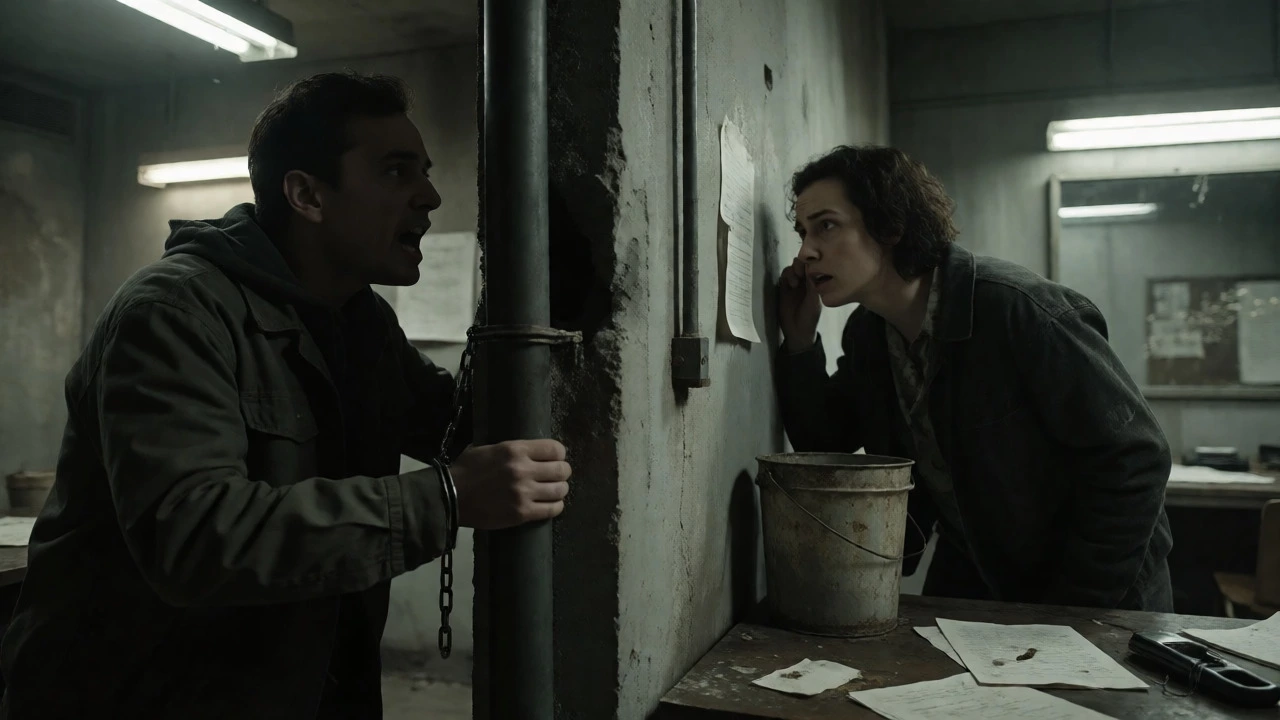
Do you still need to solve puzzles? Yes, but the nature of those puzzles shifts. In a kidnapping scenario, physical constraints often replace abstract riddles. You might be handcuffed to a pipe, requiring you to find a loose brick to retrieve a key. Or you might be separated from your team, forced to communicate through a crack in the wall or a phone line that cuts out every ten seconds.
These mechanics test communication rather than logic. Consider a common setup: Team A is in the "holding cell," and Team B is in the "interrogation room." Team A finds a code on the wall, but they can’t see the keypad. Team B has the keypad but doesn’t know the code. They must talk to each other across a barrier. If Team A panics and shouts, Team B misses the numbers. If Team B assumes Team A knows what to do, they wait too long. The "puzzle" is actually a communication exercise wrapped in a thriller narrative.
Here is how the focus shifts compared to traditional rooms:
| Feature | Traditional Escape Room | Kidnapping Escape Room |
|---|---|---|
| Primary Skill | Logic, Observation, Math | Communication, Improv, Stress Management |
| Interaction | With objects and environment | With actors and other players |
| Tension Source | Time limit | Narrative stakes and social pressure |
| Replayability | Low (solved once) | Moderate (depends on actor/group dynamic) |
| Fear Factor | Low to Medium | Medium to High |
Who Should Try a Kidnapping Escape Room?
This isn't for everyone. If you hate being touched, dislike loud noises, or get anxious when strangers shout at you, a kidnapping scenario might feel more like a chore than fun. These experiences thrive on discomfort. The thrill comes from managing that discomfort within a safe framework. But if you’re the type who enjoys rollercoasters, haunted houses, or intense movies, you’ll likely love it.
Ideal candidates usually fit one of these profiles:
- The Social Butterfly: Groups that talk a lot, argue playfully, and enjoy performing for an audience (even if that audience is just one actor).
- The Adrenaline Junkie: Players who find traditional puzzles boring because they lack physical stakes.
- The Storyteller: People who want to feel like characters in a movie rather than solvers of a crossword.
Conversely, avoid these rooms if you are looking for a quiet, cerebral challenge. Don't go if you have claustrophobia that triggers panic attacks, as the confinement is real and the actors won't stop the show unless you use a safeword. Speaking of which, always ask about safety protocols. Reputable venues use clear signals, such as dropping a specific object or saying a phrase like "real world," to pause the action immediately if someone feels unsafe.
Preparing for Your First Kidnapping Scenario
Going in cold can lead to confusion. To get the most out of the experience, prep your team. First, discuss boundaries. Does anyone mind being grabbed? Is anyone sensitive to darkness? Agreeing on these limits beforehand prevents awkward pauses during the game. Second, assign roles loosely. Who is the leader? Who is the note-taker? In high-stress situations, hierarchy helps. Someone needs to say, "Okay, Sarah, check the vents; Mike, try to distract the guard."
Also, manage expectations regarding success rates. Kidnapping escape rooms are designed to be difficult. Many teams fail to "escape" in the traditional sense-they might reach the end of the narrative without unlocking the final door, but the story resolves anyway. That’s fine. The goal is often survival or resolution, not necessarily beating the clock. Celebrate the moments of cleverness, not just the final click of the lock.
Finally, wear comfortable clothes. You might be crawling, crouching, or sitting on cold concrete floors. Leave expensive jewelry at home; you might be searching dirty corners for keys. Practicality beats style in these scenarios.
The Future of Immersive Play
Kidnapping escape rooms represent a broader shift in entertainment toward Immersive Theatre, where the boundary between performer and participant dissolves. As technology improves, we’re seeing hybrid models. Some venues now integrate audio headsets that whisper instructions to individual players, creating a sense of isolation even within a group. Others use biometric sensors to track heart rates, adjusting lighting intensity based on collective stress levels.
This evolution suggests that static rooms will continue to decline in popularity among younger demographics who crave agency. You don’t just watch the story; you steer it. If you lie to the detective, the ending changes. If you hide the evidence, the police never arrive. This level of control is addictive. Once you’ve experienced the rush of making a decision that alters the outcome, going back to finding a blue key for a blue lock feels flat.
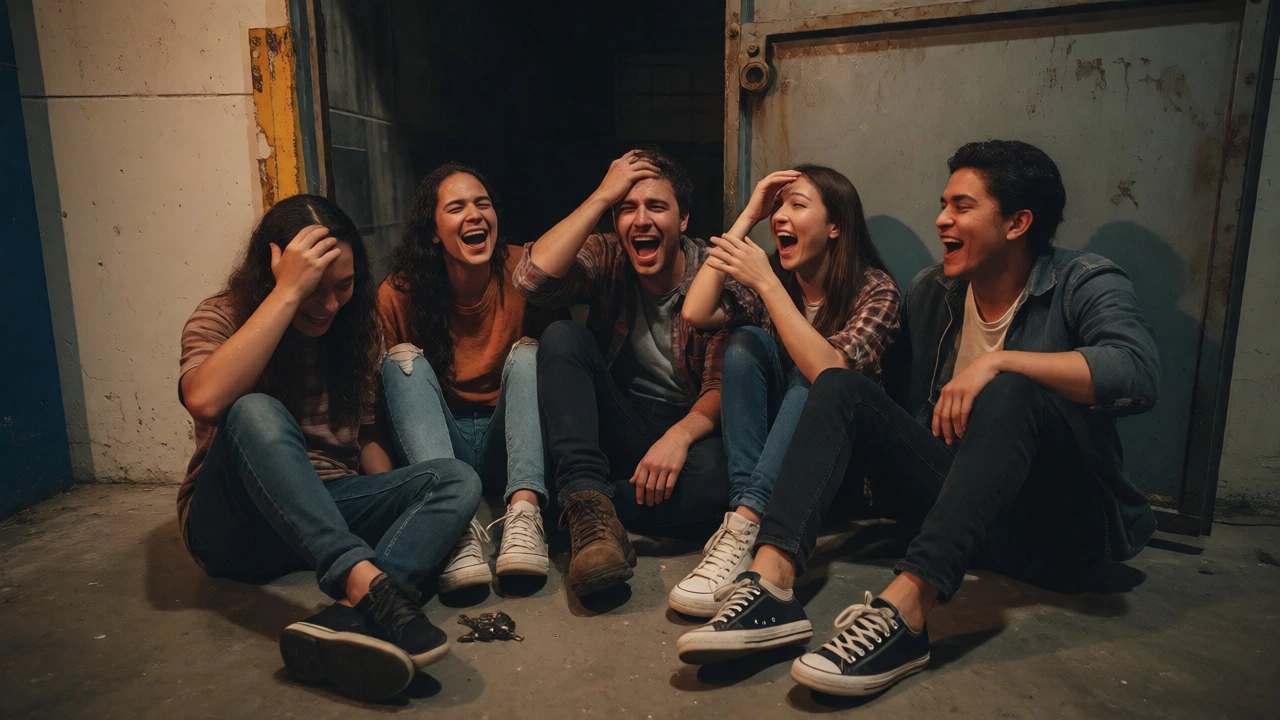
So, what is a kidnapping escape room? It’s a playground for the brave. It’s a test of your nerve and your teamwork, wrapped in a noir thriller. If you’re tired of solving crosswords in a library-themed room, book a session. Bring a friend you trust, dress for dirt, and prepare to shout. You might just escape with more than just a photo op-you’ll escape with a story worth telling.
Is a kidnapping escape room scary?
It depends on the venue, but generally, yes, it is more intense than a standard escape room. The fear comes from psychological tension, sudden noises, and close proximity to actors rather than supernatural elements. Most venues offer a "scare rating" so you can choose your level of intensity.
Do I need to be good at puzzles?
No. While some logical elements exist, the primary skills are communication and quick thinking. You are more likely to succeed by talking to your team and interacting with actors than by solving complex mathematical equations.
Can I quit if I get too scared?
Yes. All reputable kidnapping escape rooms have a safeword or a signal (like waving both hands) that instantly stops the game. The actors are trained to respect this immediately and guide you out of the scene without judgment.
Are kidnapping escape rooms suitable for children?
Not usually. Due to the themes of captivity, mild violence, and psychological stress, most venues recommend these experiences for ages 16+ or adults only. Check the specific age restriction for the venue you plan to visit.
How many people can participate?
Typically, groups range from 4 to 8 players. Smaller groups allow for more direct interaction with actors, while larger groups require better coordination. Solo bookings are rare but possible at some venues that mix strangers together.