What is an Art Exhibition? A Guide to Types, Viewing, and Etiquette
 Aug, 9 2026
Art Exhibition Experience Planner
Where are you planning to visit?
Commercial Gallery
Business-focused spaces selling artwork to collectors.
Museum
Non-profit institutions focused on education and preservation.
Art Fair
Trade shows connecting buyers with multiple galleries efficiently.
Alternative Space
Experimental venues prioritizing community engagement over sales.
What type of exhibition interests you?
Solo Show
Deep dive into one artist's vision and style evolution.
Group Show
Multiple artists united by common themes or mediums.
Retrospective
Large-scale survey of a significant artist's entire career.
Pop-up Exhibition
Temporary immersive experiences in unexpected locations.
When do you prefer to visit?
Your Personalized Art Visit Plan
Exhibition Type:
Timing:
Viewing Strategy
Etiquette Reminders
Expected Duration & Cost
Duration:
Cost:
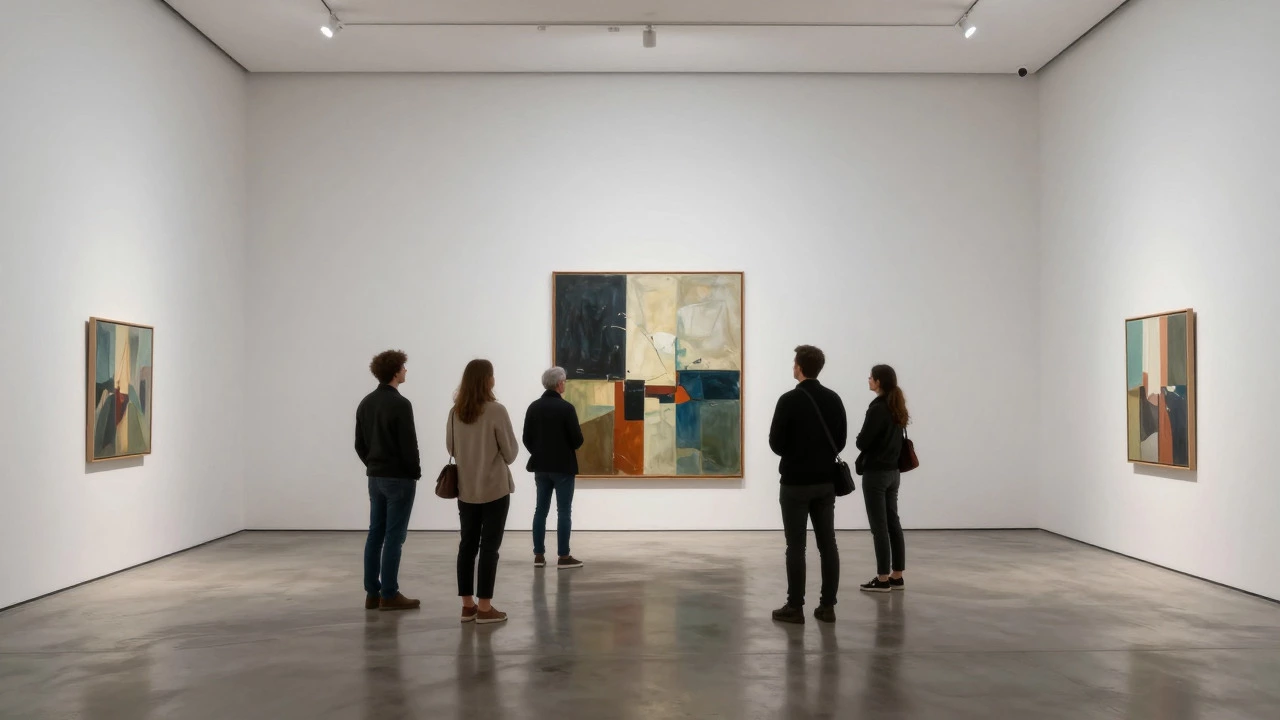
Walking into a white-walled room filled with framed paintings or strange sculptures can feel like stepping into another world. You might wonder what exactly you are looking at, why it is arranged this way, or even if you are supposed to understand it. This confusion is normal. An art exhibition is a curated display of artworks presented in a specific space for a limited time, designed to communicate ideas, showcase talent, or provoke thought. It is not just a collection of objects; it is a carefully constructed narrative.
Whether you are a seasoned collector or someone visiting their first gallery, understanding the mechanics behind these displays changes how you experience them. You stop seeing random items on walls and start seeing conversations between artists, curators, and viewers. Let’s break down what makes an exhibition work, the different types you will encounter, and how to navigate them without feeling lost.
The Anatomy of an Exhibition
An exhibition is more than just hanging pictures. It involves several key players working together to create a cohesive experience. At the center is the curator, who acts as the editor of the show. They select which works are included, determine the layout, and often write the text that guides your interpretation. The curator’s role is to build a theme or argument through visual means.
Then there are the artists, whose creative output forms the core content. Their work ranges from traditional media like oil paint and marble to contemporary forms such as digital installations and performance art. The physical space itself-whether it is a commercial gallery, a museum hall, or an outdoor plaza-also plays a crucial role. Lighting, wall color, and spacing between pieces are all calculated decisions intended to control your pace and focus.
Finally, there is the audience. Your presence completes the circuit. Without viewers, an exhibition is just stored inventory. The interaction between the viewer and the artwork is where the meaning is generated. This dynamic relationship is why exhibitions are temporary; they are events, not permanent fixtures.
Types of Art Exhibitions
Not all shows are created equal. Understanding the type of exhibition helps set your expectations before you even walk through the door. Here are the most common formats you will encounter:
- Solo Shows: These feature the work of a single artist. They offer a deep dive into one person’s vision, style, and evolution. Solo exhibitions are often used by galleries to launch a new body of work or celebrate an artist’s career milestone.
- Group Shows: Multiple artists are featured together, usually united by a common theme, medium, or geographic origin. Group shows allow for comparison and contrast, highlighting diverse approaches to similar subjects.
- Retrospectives: Typically held in museums, these large-scale exhibitions survey the entire career of a significant artist. They provide historical context and trace the development of their artistic language over decades.
- Biennales and Triennales: These are major international events held every two or three years. Cities like Venice, Sydney, and Shanghai host these massive gatherings that showcase cutting-edge contemporary art from around the globe. They are less about selling art and more about cultural dialogue.
- Pop-up Exhibitions: Temporary, often immersive experiences that appear in unexpected locations like shopping malls or vacant storefronts. These are designed for high engagement and social media sharing rather than academic critique.
Where Do Exhibitions Happen?
The venue dictates the tone and accessibility of the exhibition. Different spaces serve different purposes within the art ecosystem.
| Venue Type | Primary Goal | Typical Audience | Cost to Enter |
|---|---|---|---|
| Commercial Gallery | Selling artwork to collectors and dealers | Collectors, interior designers, serious enthusiasts | Free (usually) |
| Museum | Educating the public and preserving cultural heritage | General public, students, tourists | Ticketed (often free on certain days) |
| Art Fair | Connecting buyers with multiple galleries efficiently | High-net-worth individuals, institutional curators | Ticketed (can be expensive) |
| Alternative Space | Experimentation and community engagement | Local artists, activists, curious neighbors | Free or donation-based |
Commercial galleries operate as businesses. If you see a price tag next to a painting, you are likely in a commercial setting. Museums, on the other hand, are non-profit institutions focused on education and preservation. They rarely sell the works in their permanent collections. Art fairs, like Frieze or Art Basel, are essentially trade shows where dozens of galleries set up booths under one roof. Alternative spaces, such as artist-run cooperatives or warehouse studios, prioritize risk-taking and community over sales.

How to View Art Like a Pro
You do not need an art degree to appreciate an exhibition. However, adopting a few simple strategies can deepen your experience and help you engage with the work more critically.
- Read the Wall Text: Curators provide labels for a reason. They often include the title, date, medium, and a brief description. This information provides essential context. Knowing that a piece was made during a political uprising changes how you interpret its chaotic imagery.
- Look Before You Judge: Give each piece at least thirty seconds of undivided attention. Our brains are wired to scan quickly, but art rewards slow looking. Notice the texture, the brushstrokes, the lighting, and the composition. Ask yourself: What draws my eye first? Why?
- Trust Your Reaction: You do not have to like everything you see. If a piece makes you uncomfortable, bored, or angry, note that feeling. Emotional responses are valid data points. Contemporary art often aims to provoke discomfort rather than please.
- Consider the Context: How does one piece relate to the one next to it? Is there a dialogue between them? Are they contrasting colors, opposing themes, or complementary styles? The arrangement is part of the message.
- Ask Questions: If you are confused, ask. Many exhibitions have docents or guides available. In smaller galleries, the curator or artist might even be present. Most people in the art world love talking about their work.
Etiquette and Practical Tips
Navigating an exhibition space comes with unwritten rules. Following them ensures a respectful environment for everyone involved.
Keep Your Distance: Unless explicitly invited to touch or interact with an installation, keep your hands to yourself. Skin oils can damage surfaces, and accidental bumps can ruin delicate structures. Respect the barriers and ropes.
Phone Usage: Photography policies vary. Some galleries ban flash photography because light degrades pigments over time. Others forbid photos entirely to protect copyright. Always look for signs or ask staff. If you are taking photos, be mindful of blocking others’ views. Remember, you are there to see the art, not just post it online.
Dress Code: There is no strict dress code for most exhibitions, but comfort matters. You will likely be standing and walking for extended periods. Wear comfortable shoes. Avoid overly perfumed clothing, as strong scents can interfere with the sensory experience of others, especially in small rooms.
Timing: Visit during off-peak hours if possible. Weekday mornings are usually quieter, allowing for a more intimate experience with the work. Major openings on Friday evenings tend to be crowded and noisy, focusing more on networking than viewing.

The Role of Technology in Modern Exhibitions
In recent years, technology has transformed how exhibitions are created and experienced. Virtual Reality (VR) and Augmented Reality (AR) tools now allow viewers to step inside digital landscapes or overlay additional information onto physical artworks using their smartphones.
Some exhibitions are entirely virtual, accessible from anywhere in the world. This democratizes access, allowing people who cannot travel to major art hubs like New York, London, or Paris to view high-resolution images and 3D models of artworks. However, nothing replaces the physical presence of the original object. The scale, texture, and materiality of a painting or sculpture carry an energy that screens cannot fully replicate.
Interactive installations also blur the line between viewer and participant. In these works, your movement, sound, or touch triggers changes in the artwork. This shift challenges the traditional passive role of the audience, making you an active co-creator of the experience.
Why Exhibitions Matter
Art exhibitions serve as vital cultural touchstones. They reflect the values, anxieties, and aspirations of our time. By showcasing diverse voices and perspectives, they challenge dominant narratives and foster empathy. They provide a shared space for communities to gather, discuss, and debate ideas that matter.
For artists, exhibitions are opportunities to share their vision, gain recognition, and sustain their careers. For cities, they drive tourism and economic activity. For individuals, they offer moments of beauty, reflection, and inspiration in an increasingly fast-paced world.
Next time you walk into a gallery or museum, remember that you are entering a carefully crafted narrative. Take your time. Look closely. Trust your instincts. And enjoy the journey.
Is it okay to take photos in art exhibitions?
It depends on the venue’s policy. Many museums allow non-flash photography for personal use, while some commercial galleries prohibit it to protect artists' copyrights. Always check for signage or ask staff. Never use flash, as it can damage sensitive materials over time.
Do I need to know art history to enjoy an exhibition?
No, prior knowledge is not required. While art history can enrich your understanding, your personal reaction and observation are equally valuable. Start by noting what you see and feel. Use wall texts and guides for context if you want deeper insights.
What is the difference between a gallery and a museum?
Galleries are typically commercial spaces that sell artwork to collectors. Museums are non-profit institutions focused on education, preservation, and public access. Museums often charge admission, while galleries are usually free to enter.
Can I touch the artwork in an exhibition?
Generally, no. Oils from your skin can degrade paints and fabrics, and accidental contact can damage fragile pieces. Only touch artwork if it is explicitly designed for interaction, such as certain interactive installations or tactile exhibits for visually impaired visitors.
How long should I spend in an exhibition?
There is no fixed rule. Small solo shows might take 30 minutes, while large retrospectives or biennales can require several hours. Listen to your body and interest level. It is better to deeply engage with a few pieces than to rush through everything superficially.