What Is the Age Limit for VR Experiences? A Complete Guide
 Jun, 8 2026
VR Age Safety & Session Calculator
Safety Assessment
Results will appear here after calculation.
Platform Restrictions
Select an age to see platform eligibility.
Recommended Safety Tips
Tips will be generated based on the selected age and session duration.
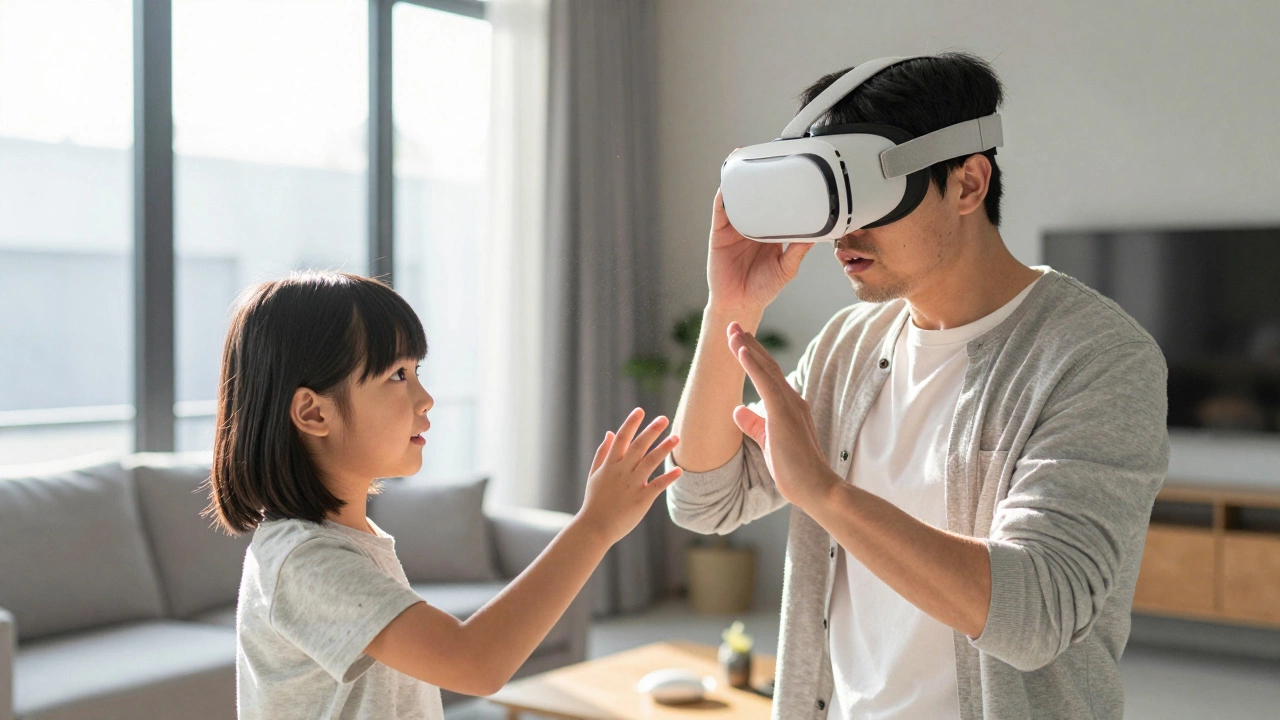
You walk into a sleek virtual reality arcade or unbox a new headset at home, eager to dive into a digital world. But before you hand the controller to your seven-year-old, a nagging question pops up: is this actually safe for them? The short answer is that there isn't one single global law dictating who can wear a headset. Instead, you are looking at a patchwork of manufacturer guidelines, medical recommendations, and common sense.
Most major hardware makers, including Meta, set the minimum age at thirteen. This number isn't pulled from thin air; it stems from concerns about developing eyes and brains. However, as the technology matures in 2026, the landscape is shifting. Some venues allow younger children under supervision, while new hardware specifically designed for kids is entering the market. Understanding these limits helps you protect your family's health without missing out on the fun.
Why Do Manufacturers Set an Age Restriction?
When you buy a Meta Quest 3 or an older model like the Quest 2, the user agreement explicitly states that users must be at least thirteen years old. This rule applies to almost all high-end consumer headsets from companies like Sony (with their PlayStation VR) and Valve. Why thirteen? It largely aligns with COPPA (Children's Online Privacy Protection Act) regulations in the United States, which restrict data collection from children under thirteen without parental consent. Since modern VR headsets are essentially computers with cameras, microphones, and eye-tracking sensors, they collect significant amounts of personal data.
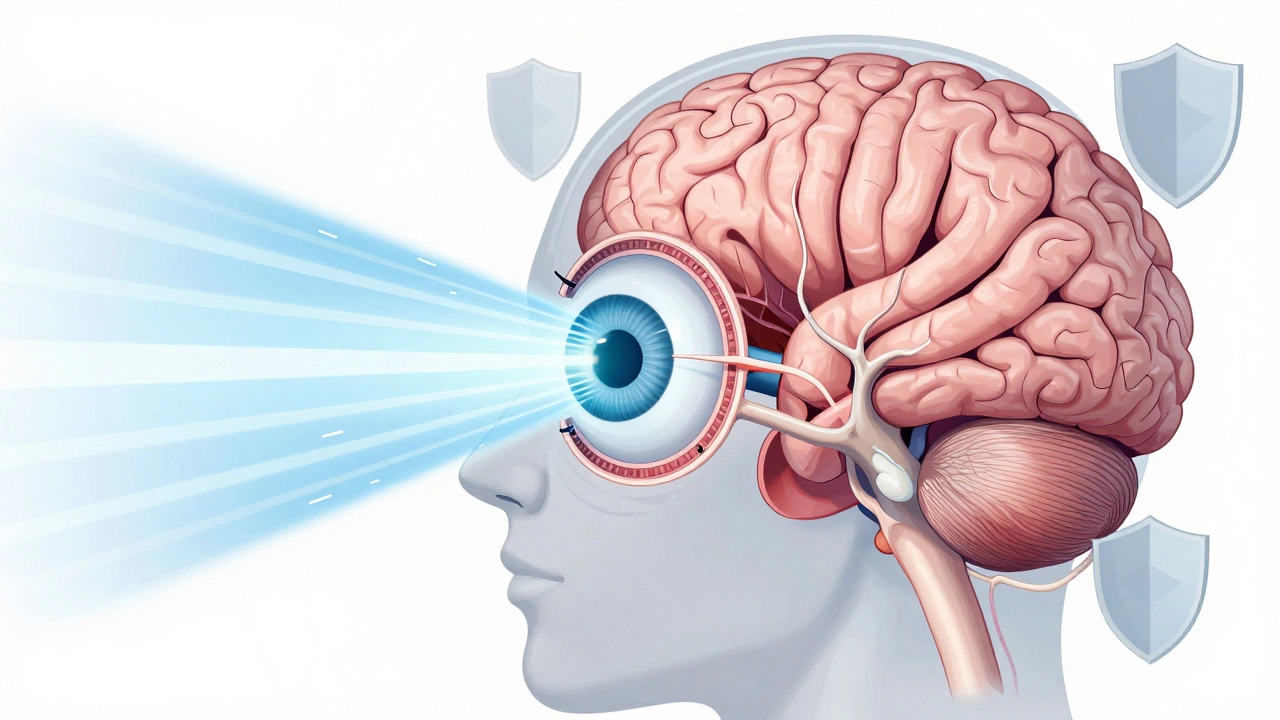
Beyond privacy, there is a physiological concern. Children's eyes are still growing. Their visual system is plastic, meaning it changes shape and function as they develop. There is a theoretical risk that prolonged exposure to virtual environments could affect how their eyes focus or converge. While large-scale long-term studies are still ongoing, manufacturers play it safe by setting the bar at thirteen, when most eye development stabilizes.
The Medical Perspective: Eyes and Brains
Pediatric ophthalmologists often echo the manufacturer warnings, though with nuance. The primary worry is cybersickness-a form of motion sickness caused by a disconnect between what your eyes see and what your inner ear feels. Children may be more susceptible to this because their vestibular systems are still calibrating. Symptoms include nausea, dizziness, headaches, and eye strain.
Another issue is vergence-accommodation conflict. In the real world, when you look at something close, your eyes cross slightly (vergence) and your lenses focus (accommodation). In VR, the screen is always a fixed distance from your eyes, but the image appears to be near or far. Your brain gets confused trying to reconcile these two signals. For adults, this might cause mild fatigue after an hour. For a developing brain, experts fear chronic exposure could disrupt normal visual processing pathways.
However, "risk" does not mean "danger." Many doctors agree that occasional, supervised use for children aged eight to twelve is likely safe, provided sessions are kept short-under twenty minutes-and the content is age-appropriate. The key is moderation and monitoring for symptoms like squinting, rubbing eyes, or complaining of headaches.
Commercial VR Arcades: What Are Their Rules?
If you prefer not to buy a headset, you might visit a commercial VR arcade. These venues have their own liability policies, which often differ from home use. Most major chains require users to be at least thirteen, mirroring the hardware manufacturers. However, some smaller independent centers allow children as young as ten or eleven if accompanied by a parent who signs a waiver.
Content ratings also play a huge role here. Just like movies or video games, VR experiences carry age ratings from organizations like the ESRB (Entertainment Software Rating Board) or PEGI (Pan European Game Information). A game rated "M" for Mature (17+) obviously shouldn't be played by a child, regardless of whether the headset allows it. Venues usually enforce these content restrictions strictly to avoid legal trouble and ensure a comfortable experience for all guests.
| Platform / Brand | Minimum Age | Primary Reason | Exceptions |
|---|---|---|---|
| Meta Quest Series | 13+ | Privacy (COPPA) & Eye Health | Parental Supervision Mode available |
| PlayStation VR2 | 12+ (varies by region) | Hardware Safety & Content | Strictly enforced by console account settings |
| Apple Vision Pro | 13+ | Data Privacy & Visual Ergonomics | Family Sharing features for oversight |
| Commercial Arcades | 10-13 (varies) | Liability Waivers | Parental signature often required |
Kid-Friendly VR Hardware: Is It Different?
In recent years, we've seen the emergence of headsets specifically marketed toward younger audiences. Devices like the Pico Neo 4 Link (often used in educational settings) or specialized low-resolution headsets for schools sometimes lower the barrier to entry. These devices often lack advanced tracking features like eye-tracking or facial recognition, reducing privacy risks.
Some startups are building lightweight, tethered headsets designed for short bursts of educational content. They prioritize comfort and limited field-of-view to reduce sensory overload. If you are considering buying VR for a child under thirteen, look for hardware that:
- Lacks internet connectivity or has strict parental controls.
- Has adjustable IPD (interpupillary distance) to fit smaller faces.
- Is lightweight to prevent neck strain.
- Offers only curated, non-violent content libraries.
Safety Tips for Parents Allowing Younger Kids to Try VR
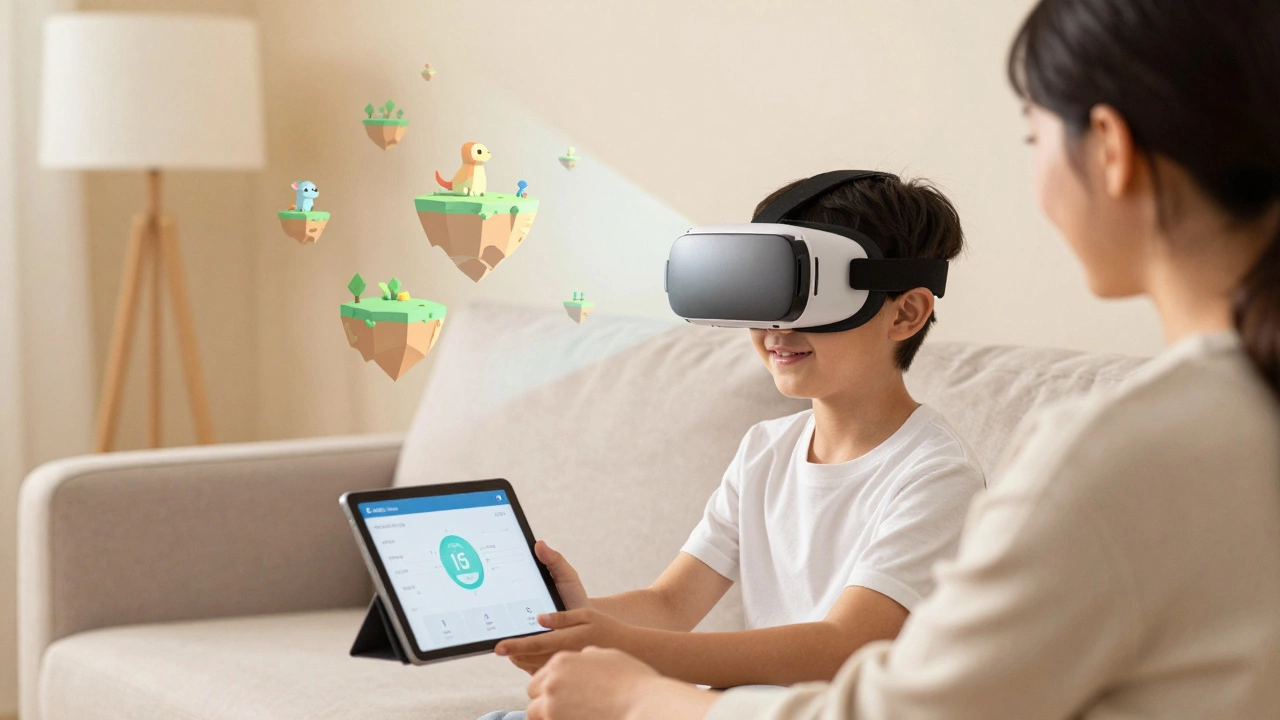
If you decide to let your ten-year-old try a headset despite the official age limit, you need to take precautions. First, keep sessions incredibly short. Five to ten minutes is plenty for a first-time user. Watch for signs of discomfort immediately. If they complain of dizziness or headache, stop the session right away.
Second, manage the environment. Ensure the physical space is clear of obstacles. VR headsets block out the real world completely. A child running around in a living room full of furniture is a recipe for broken noses and cracked screens. Use the guardian system (boundary setup) rigorously.
Third, curate the content carefully. Avoid horror games, fast-paced shooters, or anything with intense motion. Look for gentle exploration games, educational apps, or creative tools like painting in 3D space. Games like Tilt Brush or Alto's Odyssey are generally considered safer bets for younger minds than competitive multiplayer shooters.
The Future: Will Age Limits Change?
As we move through 2026, the conversation around VR age limits is evolving. With the rise of "spatial computing," where VR blends seamlessly with augmented reality (AR), the distinction between screen time and real-world interaction is blurring. Apple and Meta are both investing heavily in making headsets lighter, more comfortable, and safer for longer wear.
We may see standardized safety certifications for VR hardware in the coming years, similar to how toys have choking hazard labels. Until then, the burden falls on parents and educators to make informed decisions. The technology itself isn't inherently dangerous, but misuse can lead to physical and psychological discomfort. By staying informed and setting boundaries, you can help your family enjoy the benefits of virtual reality without the risks.
Can a 10-year-old use a Meta Quest?
Officially, no. Meta requires users to be at least 13 years old due to privacy laws and eye health concerns. However, many parents allow supervised use for children aged 10-12 with strict time limits (under 20 minutes per session) and careful content selection. Always check the specific terms of service for the latest policy updates.
Does VR damage children's eyes permanently?
There is currently no scientific evidence that VR causes permanent eye damage in children. However, it can cause temporary issues like eye strain, dry eyes, and headaches. Because children's eyes are still developing, experts recommend limiting usage to minimize any potential long-term effects on vision development.
What is the safest age to start using VR?
Most experts and manufacturers suggest waiting until age 13. If you choose to introduce VR earlier, ages 8-10 are often considered the earliest safe window for very short, supervised sessions. Children under 8 generally have too much difficulty focusing in VR and are more prone to motion sickness.
Are there VR headsets made specifically for kids?
Yes, several companies produce headsets designed for younger users. These devices often feature simpler interfaces, no internet connectivity, lighter weight, and pre-loaded educational content. Examples include certain models from Pico used in schools and standalone educational VR kits. Always verify the manufacturer's recommended age range.
How long can a child safely use VR in one sitting?
For children under 13, limit sessions to 15-20 minutes maximum. For older teens, 30-60 minutes is generally acceptable, followed by a break. Always watch for signs of cybersickness, such as nausea or dizziness, and stop immediately if these occur. Regular breaks are essential to prevent eye strain.