What Problems Can VR Solve? Real-World Applications Beyond Gaming
 Nov, 1 2026
VR Impact Estimator
Select a real-world problem below to see how Virtual Reality transforms the solution compared to traditional methods.
Patient Dropout
Boring physiotherapy leads to low adherence.
Safety & Cost
Expensive materials and risk of injury.
Isolation & Context
Loss of spatial awareness and team cohesion.
Geographic Barriers
Limited access to experts or artifacts.
Performance Anxiety
Fear of public speaking or heights.
Empathy Gap
Doctors struggle to understand patient pain.
Analysis Result
Traditional Approach
VR Solution
Key Metrics & Insights
You probably think of Virtual Reality as the thing you strap to your face to fight space aliens or explore a fantasy world. But while gaming is the flashy headline, it’s not where the real impact lives. The actual revolution is quieter, happening in operating rooms, construction sites, and corporate boardrooms. People ask, "What problems can VR solve?" expecting a list of entertainment upgrades. The truth is more profound: VR solves fundamental human limitations regarding empathy, safety, distance, and cost.
Think about the last time you tried to explain a complex 3D object to someone over Zoom. You drew circles on the screen, used words like "over there," and still failed. Now imagine putting on a headset and letting them walk around that object. That’s not just cool; it’s a solution to a communication bottleneck that has plagued engineers for decades. This article breaks down exactly how this technology is fixing broken systems in health, work, and education right now.
Solving the Empathy Gap in Healthcare
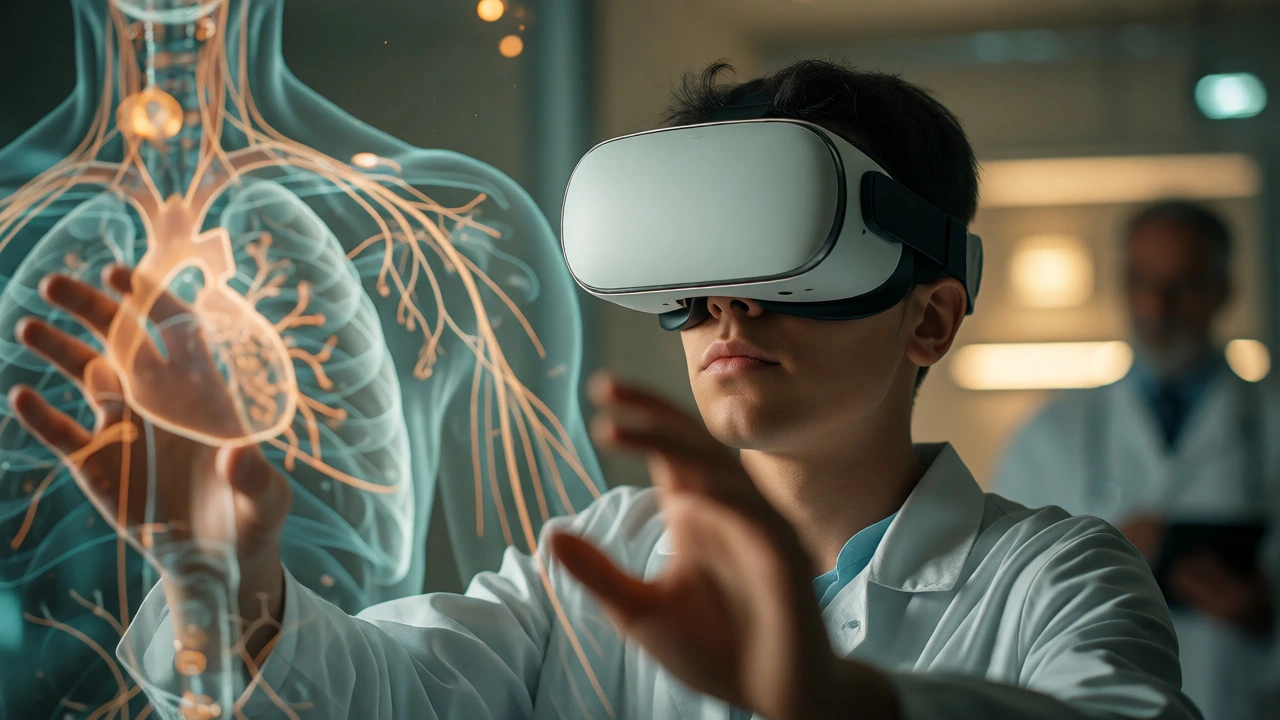
One of the most persistent issues in medicine is the disconnect between a patient’s pain and a doctor’s understanding of it. How do you convey chronic pain to someone who doesn’t feel it? VR Therapy bridges this gap by simulating conditions. For instance, researchers have developed simulations that allow medical students to experience symptoms of dementia or autism. It’s not just theoretical; studies show that when doctors experience these simulations, their diagnostic accuracy and bedside manner improve significantly.
Beyond diagnosis, VR tackles physical rehabilitation. Traditional physiotherapy is boring. Doing the same arm movements for weeks feels pointless, leading to low adherence rates. VR gamifies recovery. Patients play games that require specific movements, tricking their brains into working harder than they would in a sterile clinic room. A study published in the Journal of NeuroEngineering and Rehabilitation found that stroke patients using VR-based therapy showed greater motor function improvements compared to those using conventional methods. The problem of "patient dropout" gets solved because the activity becomes engaging rather than tedious.
Then there’s mental health. Exposure therapy for phobias-like fear of heights or flying-used to be logistically nightmare-ish. You had to find a plane or a tall building. With VR Exposure Therapy, a therapist can trigger a virtual elevator ride or a simulated flight in seconds, adjusting the intensity based on the patient’s heart rate. It turns a rare, expensive event into a routine, controlled clinical tool.
Making Dangerous Training Safe and Cheap
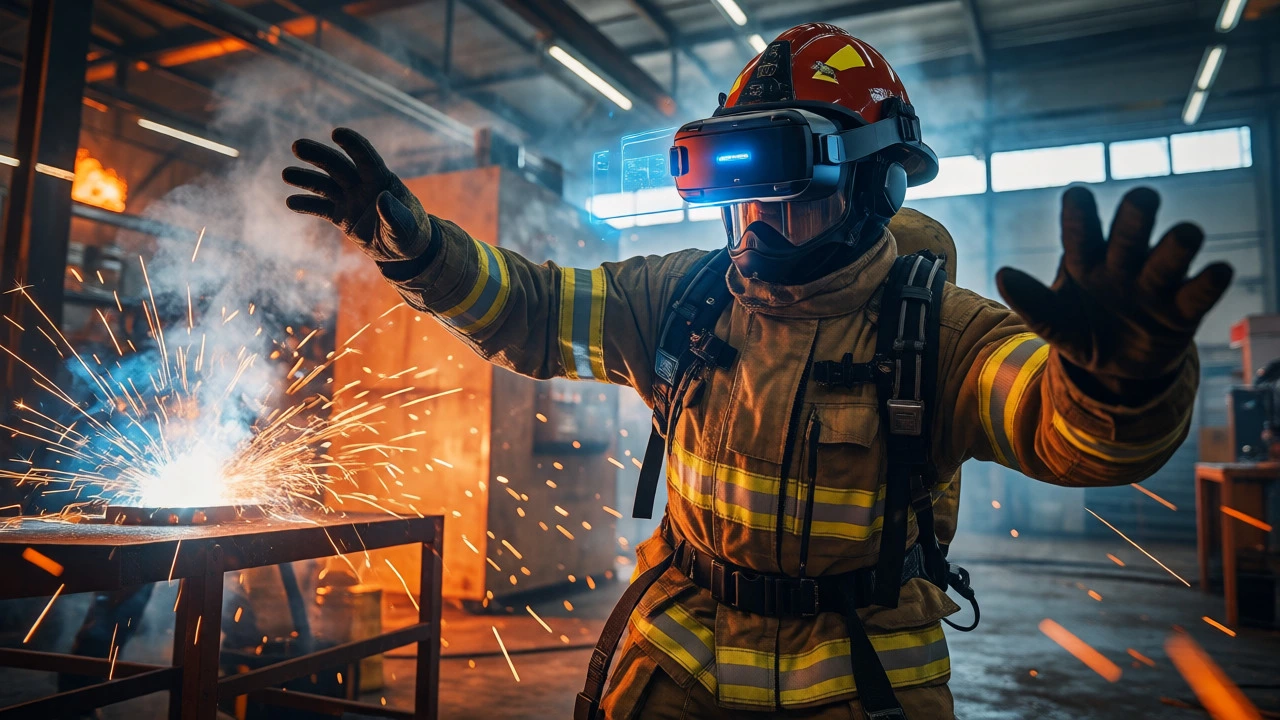
If you’re training a firefighter, an electrician, or a pilot, mistakes are expensive. In some cases, they’re fatal. Traditional training requires expensive equipment, fuel, or hazardous environments. VR removes the risk entirely. You can fail a virtual welding job a hundred times without burning through metal rods or risking eye damage. The material cost drops to zero after the initial hardware investment.
Consider Walmart. They deployed Oculus Go headsets to train employees on Black Friday crowds. Instead of waiting for the actual holiday chaos, staff practiced handling panicked shoppers in a virtual simulation. The result? Faster checkout times and fewer customer complaints during the real event. This solves the problem of "experience gap." New hires usually learn on the job, meaning customers suffer while they figure things out. VR lets them make all their rookie mistakes in private.
| Feature | Traditional Training | VR Training |
|---|---|---|
| Risk Factor | High (physical injury possible) | Zero (virtual environment) |
| Cost per Session | Variable (materials, travel, fuel) | Low (after hardware setup) |
| Repetition | Limited by resources/time | Infinite |
| Data Tracking | Manual observation | Automated metrics (eye tracking, reaction time) |
Collapsing Distance in Remote Work
We’ve been doing remote work for years, but we’re bad at it. Video calls flatten us. We lose body language, spatial awareness, and the casual "water cooler" chats that build team cohesion. Social VR Platforms like Meta Horizon Workrooms or Microsoft Mesh try to fix this by restoring presence. When you interact with avatars in a shared 3D space, your brain registers proximity differently than it does on a 2D grid of faces.
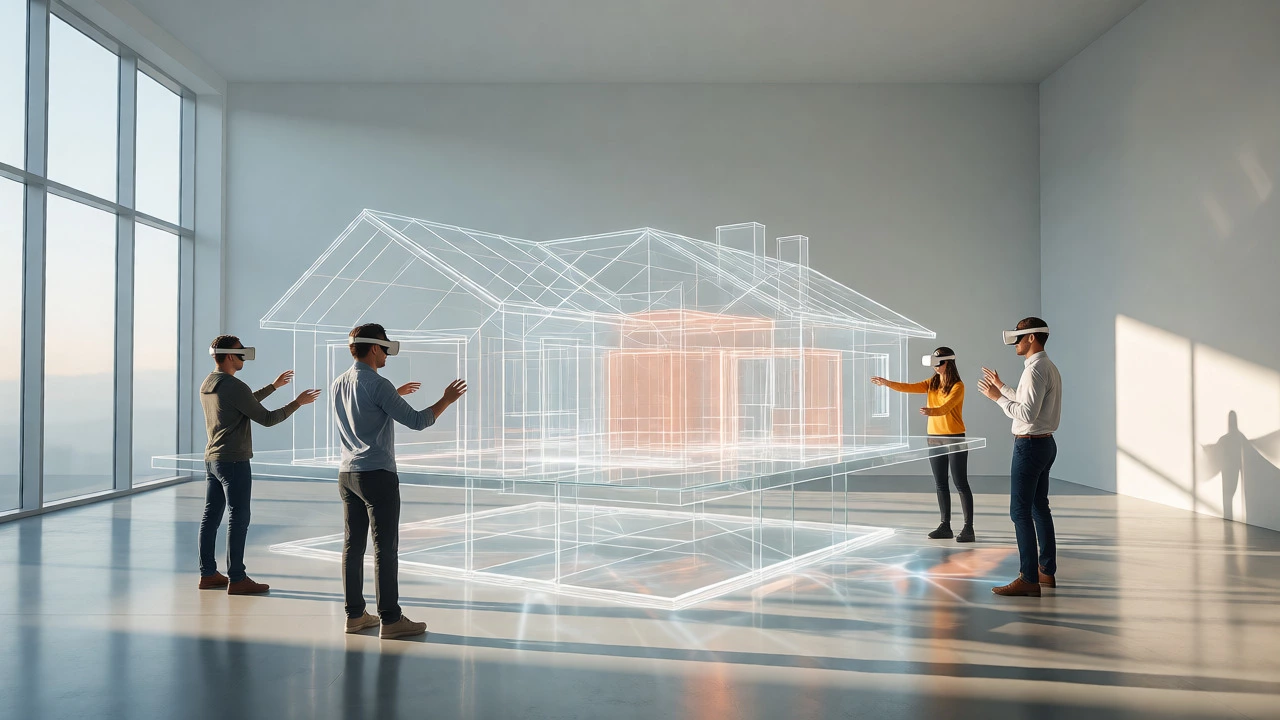
This solves the isolation problem inherent in distributed teams. Engineers can stand around a virtual 3D model of a new car engine, pointing at parts as if they were in the same garage. Architects can walk clients through a unbuilt house, changing wall colors in real-time. The feedback loop shrinks from days (emailing screenshots) to minutes (real-time adjustment). It’s not just about chatting; it’s about collaborative manipulation of data that was previously impossible remotely.
Democratizing Access to Expertise
Not everyone lives near a top-tier university or a specialist surgeon. Geography dictates opportunity. VR flattens this hierarchy. A student in rural Australia can attend a lecture in London, sitting in the front row virtually. But it goes deeper than lectures. Surgical residency programs use VR to let junior surgeons practice rare procedures before touching a live patient. If only ten people in the world perform a specific heart valve repair, VR allows hundreds to observe and simulate it, spreading expertise globally.
This also applies to cultural access. Museums and historical sites are often inaccessible due to cost, location, or preservation concerns. You can’t touch the Mona Lisa, but you can stand next to it in VR. You can walk through Pompeii before the eruption. This solves the problem of "preservation vs. access." Physical artifacts degrade with tourism; digital twins remain pristine forever while allowing infinite visitors.
The Psychological Barrier of Public Speaking
Glossophobia-the fear of public speaking-is one of the most common anxieties worldwide. Traditional advice is simple: "Just practice." But practicing in front of friends doesn’t replicate the pressure of a hostile audience. VR apps like Ovation place you in front of a virtual crowd that reacts to your speech. If you speak too fast, the avatars look bored. If you make eye contact, they engage. It provides immediate, objective feedback that a friend might be too polite to give. By desensitizing users to the visual stimulus of an audience, VR lowers the anxiety threshold, making real-world presentations less terrifying.
Key Takeaways
- Healthcare: VR improves patient engagement in rehab and enhances doctor empathy through symptom simulation.
- Training: High-risk industries use VR to eliminate physical danger and reduce material costs during skill acquisition.
- Collaboration: Social VR restores spatial context to remote work, improving design reviews and team cohesion.
- Access: VR democratizes education and cultural experiences by removing geographical and financial barriers.
- Psychology: Controlled exposure to social pressures helps treat phobias and performance anxiety effectively.
Frequently Asked Questions
Is VR only useful for gamers?
No. While gaming drives consumer adoption, the most significant economic and social impacts are currently in enterprise sectors like healthcare, manufacturing, and education. These industries use VR for precise, high-stakes tasks where simulation offers clear ROI.
Does VR cause motion sickness?
It can, especially in older devices or poorly optimized software. However, modern headsets with higher refresh rates (90Hz+) and better tracking have significantly reduced this issue. Developers also use techniques like "teleportation" movement to minimize nausea.
How much does VR training cost compared to traditional methods?
Initial setup costs are higher due to hardware and software development. However, the cost per user decreases dramatically with scale. For large organizations, VR training often pays for itself within 12-18 months by saving on materials, travel, and lost productivity from injuries.
Can VR replace real-life interactions?
Not entirely. VR excels at simulating specific scenarios or visualizing data, but it lacks the full sensory richness of physical presence (smell, touch, temperature). It is best used as a supplement to, not a replacement for, face-to-face interaction.
What is the biggest barrier to widespread VR adoption?
Comfort and content availability. Headsets are still heavy and isolating for long periods. Additionally, creating high-quality, bespoke VR content is expensive and time-consuming, which limits the variety of available applications outside of gaming.
Next Steps for Implementation
If you’re looking to bring VR into your workflow, start small. Don’t buy fifty headsets on day one. Identify one specific pain point-like employee onboarding or a difficult design review-and run a pilot program. Measure the results against your current process. Did it save time? Did it reduce errors? If the data supports it, scale up. Remember, the goal isn’t to use VR for VR’s sake; it’s to solve a problem better than any other tool can.