What's the Easiest Escape Room? A Beginner's Guide to Low-Difficulty Challenges
 Nov, 19 2026
Escape Room Difficulty Estimator
Planning your next escape room adventure? Use this tool to gauge how challenging a specific scenario might be for your group before you book.
Fill in the details and click "Estimate Difficulty" to see your prediction.
Pro Tips for Success
- Scan First: Spend the first 2 minutes looking, not touching.
- Ask for Hints: If stuck for >3 mins, ask the gamemaster. It saves time.
- Communicate: Assign roles (Finder vs. Solver) to avoid chaos.
- Ignore Decor: If it doesn't move or light up, it's likely just decoration.
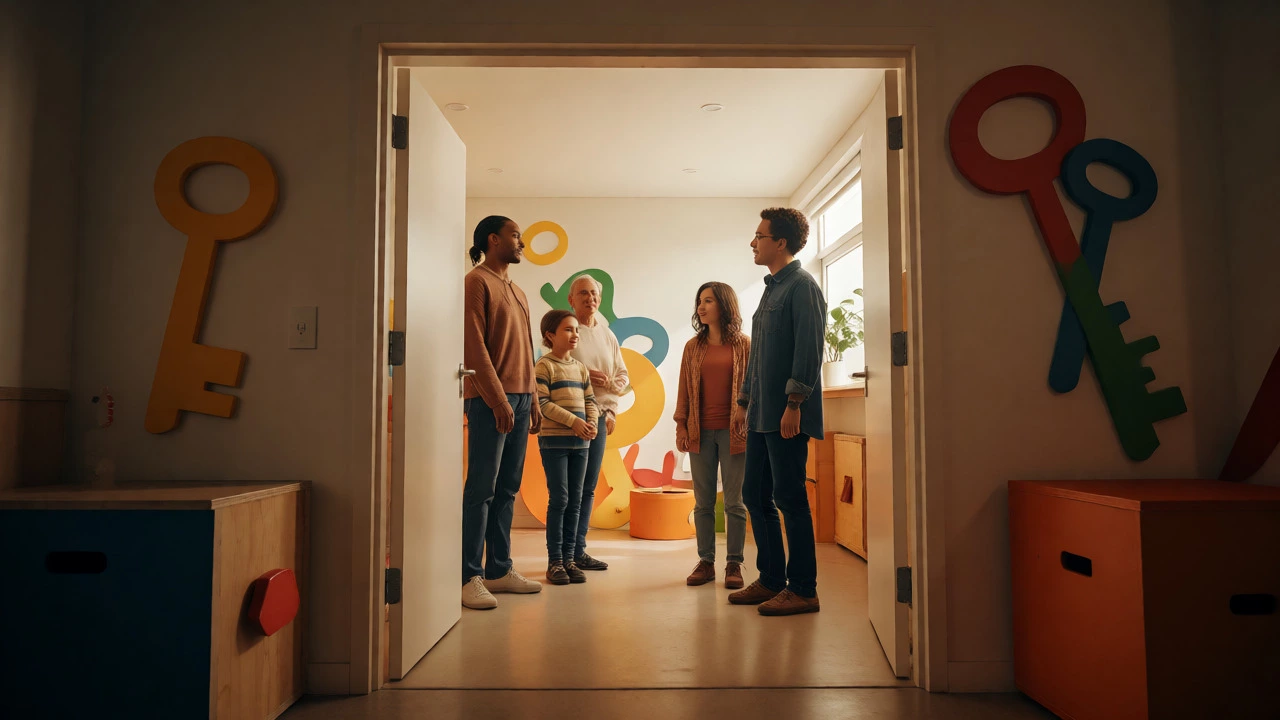
You walk into a dimly lit room, the clock starts ticking, and suddenly you realize you have no idea where to look for the first key. This panic is familiar to anyone who has booked an escape room that was way too hard for their group. But what if I told you that not all escape rooms are designed to make you cry in frustration? Some are specifically crafted to be gentle introductions, perfect for families with young kids, corporate teams wanting a light activity, or just people who want to feel smart without breaking a sweat.
Finding the easiest escape room isn't about finding a game with zero puzzles. It’s about finding a balance between challenge and clarity. If you’re looking for a low-stress experience, you need to know what makes a room "easy" versus just "short." Let’s break down exactly what to look for so your next outing is fun, not frustrating.
Defining Difficulty: What Makes an Escape Room Easy?
Before you book, you need to understand how venues rate their games. Most operators use a scale of 1 to 5 stars or 1 to 10 points. An "easy" room typically sits at the lower end of this spectrum, often rated as 1-3 out of 5. But here is the catch: difficulty is subjective. A room rated "medium" might feel impossible to a first-timer but trivial to a veteran puzzler.
A truly easy escape room usually shares three specific characteristics:
- Linear Progression: The puzzles follow a strict order. You solve Puzzle A to get Key B, which opens Box C. There is very little branching logic where you have to hold onto one clue while solving three others simultaneously.
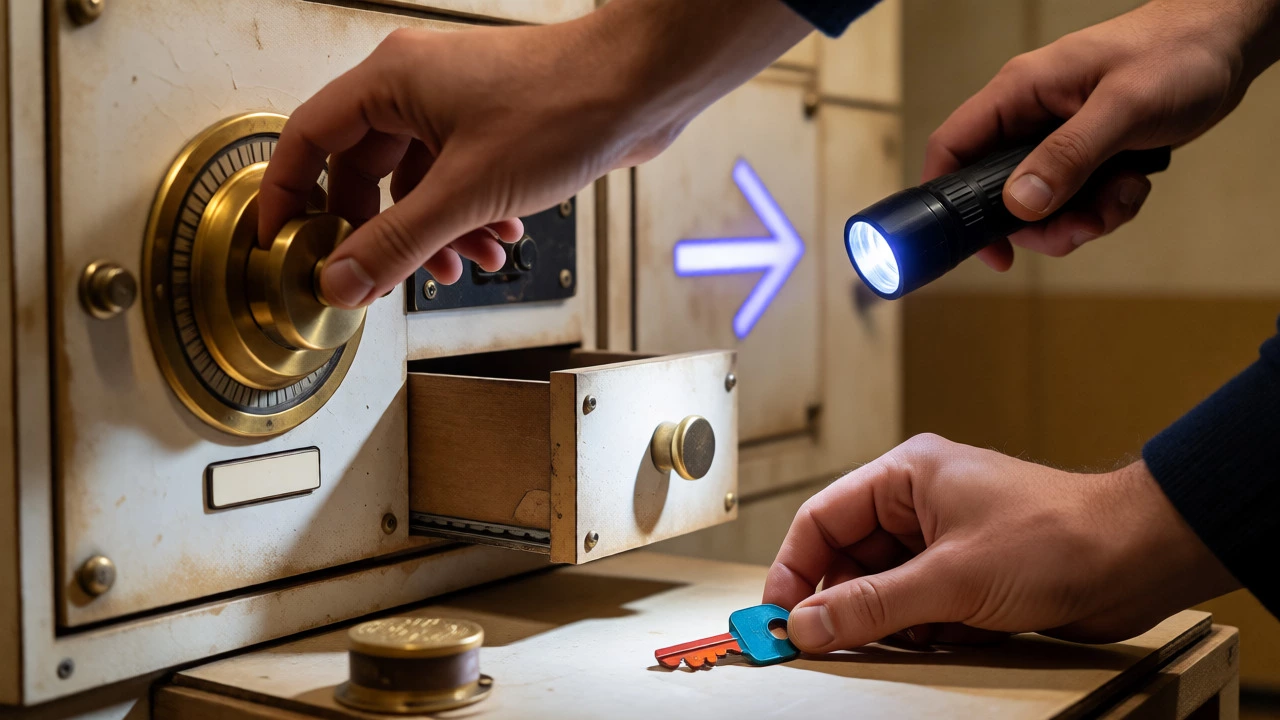
- Physical Over Abstract: Easy rooms rely heavily on finding hidden objects, using UV lights, or manipulating physical locks rather than solving complex riddles, math equations, or obscure trivia.
- Clear Feedback Loops: When you do something right, something obvious happens. A drawer pops open, a light turns green, or a sound plays. In harder rooms, you might solve a puzzle and nothing seems to happen, leading to doubt and wasted time.
If you see a description mentioning "non-linear gameplay," "heavy narrative," or "complex cryptography," steer clear if you want an easy win. Look for keywords like "introductory," "family-friendly," or "beginner."
The Best Types of Rooms for Beginners
Not all themes are created equal when it comes to difficulty. While horror rooms can be intense and sci-fi rooms can be tech-heavy, certain genres tend to offer more accessible puzzle structures.
Heist Movies are a classic example of an easier genre. Think Ocean’s Eleven or Mission Impossible. These rooms often involve simple tasks like hacking a keypad (which is usually just finding numbers), unlocking padlocks, and moving furniture to find hidden compartments. The logic is intuitive because it mirrors real-world actions. You don’t need to know ancient history or quantum physics; you just need to be observant.
Another surprisingly easy category is Educational History rooms focused on well-known eras, such as the Victorian Era or Ancient Egypt. Because these themes are culturally ubiquitous, the clues often rely on general knowledge or visual recognition rather than obscure facts. For instance, recognizing a pharaoh’s symbol or reading a simple letter from a historical figure requires less cognitive load than deciphering a fictional alien language.
Conversely, avoid Horror or Psychological Thriller rooms if you are new to the scene. While they aren't always mechanically difficult, the atmospheric pressure can cause players to freeze up. Additionally, many horror rooms include "jump scares" or actors, which can distract you from focusing on the puzzle mechanics. If your goal is to succeed easily, choose a theme that keeps your heart rate steady.
How to Spot an Easy Room Before Booking
Venues don’t always label their games clearly. You have to become a detective before you even enter the building. Here is a checklist to help you identify a low-difficulty game online.
| Feature | Easy Room Indicator | Hard Room Indicator |
|---|---|---|
| Player Count | Designed for 2-4 players (less chaos) | Requires 6+ players (high coordination) |
| Puzzle Density | Low number of distinct puzzles | High number of interconnected puzzles |
| Hint Policy | Unlimited hints allowed freely | Limited hints or penalty for using them |
| Time Limit | Strict 60 minutes but forgiving | Often 75-90 minutes due to complexity |
| Description | "Fun," "Light-hearted," "Introductory" | "Challenging," "Expert," "Mind-bending" |
Pay close attention to the hint policy. In Sydney, most reputable venues allow unlimited hints, but some premium experiences restrict them to preserve immersion. For a beginner, knowing that help is always available reduces anxiety significantly. Also, check the recommended player count. Paradoxically, a room designed for 8 people might be harder for a group of 4 because there are too many hands and not enough instructions, leading to confusion. A room sized for your exact group size is often easier to navigate.
Common Pitfalls That Make Easy Rooms Feel Hard
Sometimes the room itself is easy, but the group dynamics make it feel impossible. The biggest enemy of the beginner escape roomer is over-analysis.
In linear, easy rooms, the solution is usually right in front of you. If you are staring at a wall for five minutes trying to decode a pattern, you are likely overthinking it. Easy rooms rarely require lateral thinking that spans multiple dimensions. If a clue doesn’t make sense immediately, move on. Another common mistake is poor communication. In small groups, everyone tends to talk at once. Assign one person to be the "finder" and another to be the "solver." This division of labor streamlines the process and prevents duplicate efforts.
Also, beware of "red herrings." Even in easy rooms, designers hide random objects to clutter the space. Learn to distinguish between interactive props (things that move, light up, or have numbers) and static decor. If you pick up a fake fruit and it feels heavy and solid, put it back. Interactive elements usually have a mechanism attached to them.

Top Recommendations for First-Timers in Sydney
Since you are likely looking for local options, Sydney has a robust escape room scene. Several venues specialize in entry-level experiences.
Clue Quest is known for its high-quality production values and generally fair difficulty curves. Their "Bank Robbery" scenario is often cited as a great starting point. It relies heavily on physical interaction-opening safes, using lock picks, and finding documents-which gives players immediate tactile feedback.
For families, Escape Hunt offers several scenarios that are visually engaging without being mentally taxing. Their "Jungle Adventure" theme uses bright lighting and clear signage, reducing the stress of searching in the dark. The puzzles here are mostly sequential, meaning you never have to worry about missing a clue that was needed ten minutes ago.
If you prefer a more narrative-driven but still accessible experience, check out Room Escape Artist’s introductory games. They often provide a brief tutorial video before the game starts, explaining the rules of engagement. This pre-game briefing sets expectations and teaches you how to interact with the props, which is invaluable for novices.
Pro Tips for Guaranteed Success
Even in the easiest room, you can fail if you don’t approach it strategically. Here are three rules of thumb for beginners.
- Scan Everything Twice: Before touching anything, spend the first two minutes doing a visual sweep. Look for anything that stands out-a different color, a loose brick, a strange symbol. Mark these spots mentally. Do not start solving until you have a map of the room.
- Ask for Hints Early: There is no shame in asking for help. In fact, waiting 10 minutes to solve a 2-minute puzzle wastes valuable time. If you are stuck for more than 3 minutes, ask the gamemaster for a nudge. This keeps momentum going.
- Ignore the Clock Initially: Anxiety speeds up mistakes. Focus on the task at hand, not the timer. Easy rooms are designed to be completed with time to spare. Rushing leads to missed details.
Remember, the goal of an easy escape room is enjoyment, not necessarily beating the record. Celebrate the small wins. Finding the first key is a victory. Solving the first code is a triumph. Keep the mood light, and you’ll likely finish with smiles instead of stress.
Are escape rooms suitable for children?
Yes, many escape rooms are designed specifically for children aged 8-12. These rooms feature larger props, simpler locks, and fewer text-based puzzles. However, children under 8 may struggle with fine motor skills required for small keys or reading clues. Always check the age recommendation on the booking page.
Do I need any special skills to play an easy escape room?
No special skills are required. Easy rooms test observation, basic logic, and teamwork rather than specialized knowledge like chemistry or advanced mathematics. If you can read a sentence and recognize a shape, you have the necessary skills.
What happens if we get stuck?
Gamemasters monitor your progress via cameras and microphones. If you are visibly struggling, they will often send a hint automatically. You can also request hints directly by pressing a button or speaking into the intercom. In beginner rooms, hints are usually generous and free.
Is it better to go alone or in a group?
While solo escape rooms exist, they are rare and often harder due to the lack of extra eyes. A group of 2-4 is ideal for easy rooms. Too few people means you miss things; too many people leads to chaos and talking over each other. Two to four players allows for efficient division of labor.
Can I bring my phone into the escape room?
Most venues prohibit phones inside the game room to prevent cheating and maintain immersion. You will typically store your belongings in a locker outside. Some modern rooms integrate technology, allowing you to use a provided tablet, but personal smartphones are usually banned.