What Is the Most Important Thing in Doing Outdoor Activities? Safety and Preparation
 Jun, 22 2026
Outdoor Safety & Ten Essentials Checker
The Modern Ten Essentials
Click each category to mark it as packed.
Trip Plan Verification
Safety Score
Start checking off your gear!
Pro Tip:
Gear fails. Zippers break, batteries die. True safety comes from understanding your limits and having a backup plan.
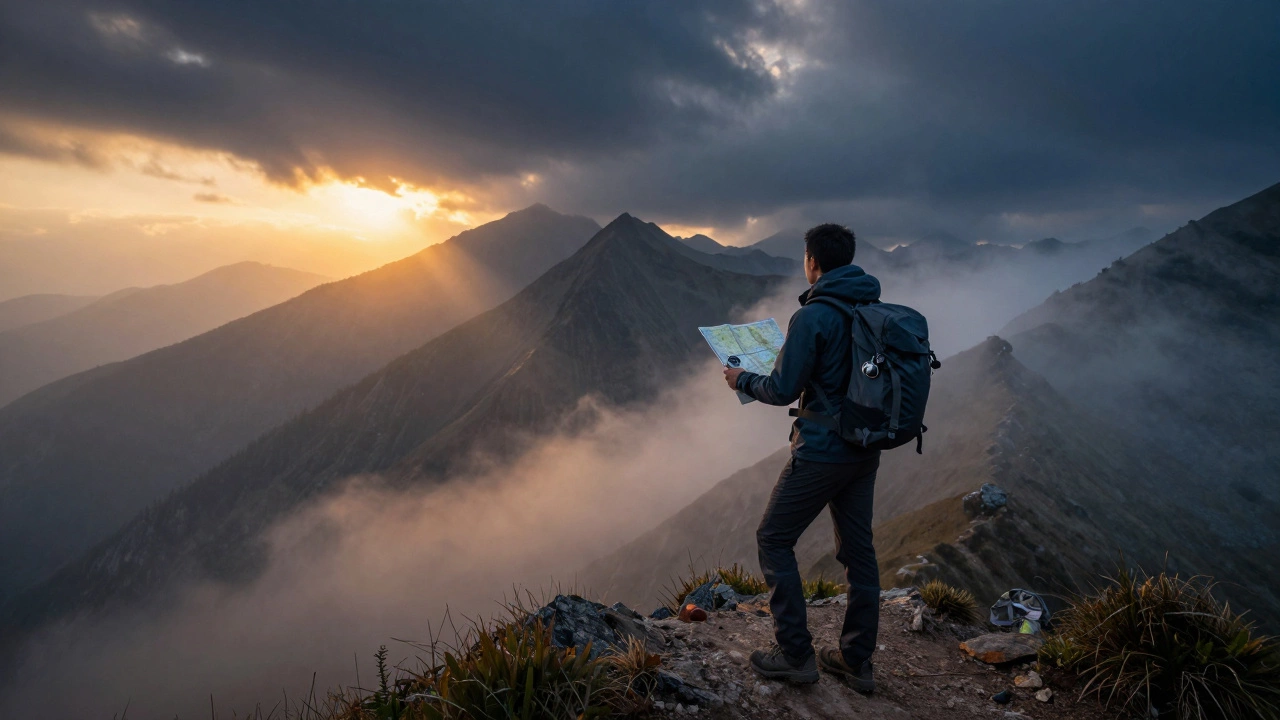
Imagine this: you are standing at the trailhead of a mountain you have dreamed about climbing for months. The sun is shining, the air is crisp, and your heart is racing with excitement. You take that first step, feeling invincible. But ten miles later, the sky turns gray, the temperature drops twenty degrees in an hour, and you realize you forgot your rain jacket and extra layers. Suddenly, that dream hike feels like a nightmare. This scenario plays out every single day in national parks and backcountry trails around the world.
If you ask experienced guides, search and rescue teams, or seasoned backpackers what matters most when heading into the wild, they won't tell you it's having the most expensive Gore-Tex jacket or the lightest ultramarine shoes. They will tell you something much simpler and far more critical. The most important thing in doing outdoor activities is not the gear itself, but safety awareness and thorough preparation. It is the mindset that keeps you alive when things go wrong, because in the outdoors, things *will* go wrong eventually.
The Myth of Gear-Dependent Safety
We live in an age where marketing tells us that buying the right product solves all problems. Companies spend millions convincing hikers that a specific brand of trail running shoes will prevent blisters, or that a high-tech sleeping bag guarantees warmth. While quality equipment certainly helps, it is not a substitute for knowledge. A person with $500 worth of gear and zero navigation skills is in more danger than someone with basic cotton clothes who knows how to read a map and check the weather forecast.
Gear fails. Zippers break, batteries die, and tents tear. If your safety plan relies entirely on your equipment working perfectly, you are setting yourself up for failure. True safety comes from understanding your limits, respecting the environment, and having a backup plan for when technology lets you down. Think of gear as insurance, not as the policy itself.
Mastering the Ten Essentials
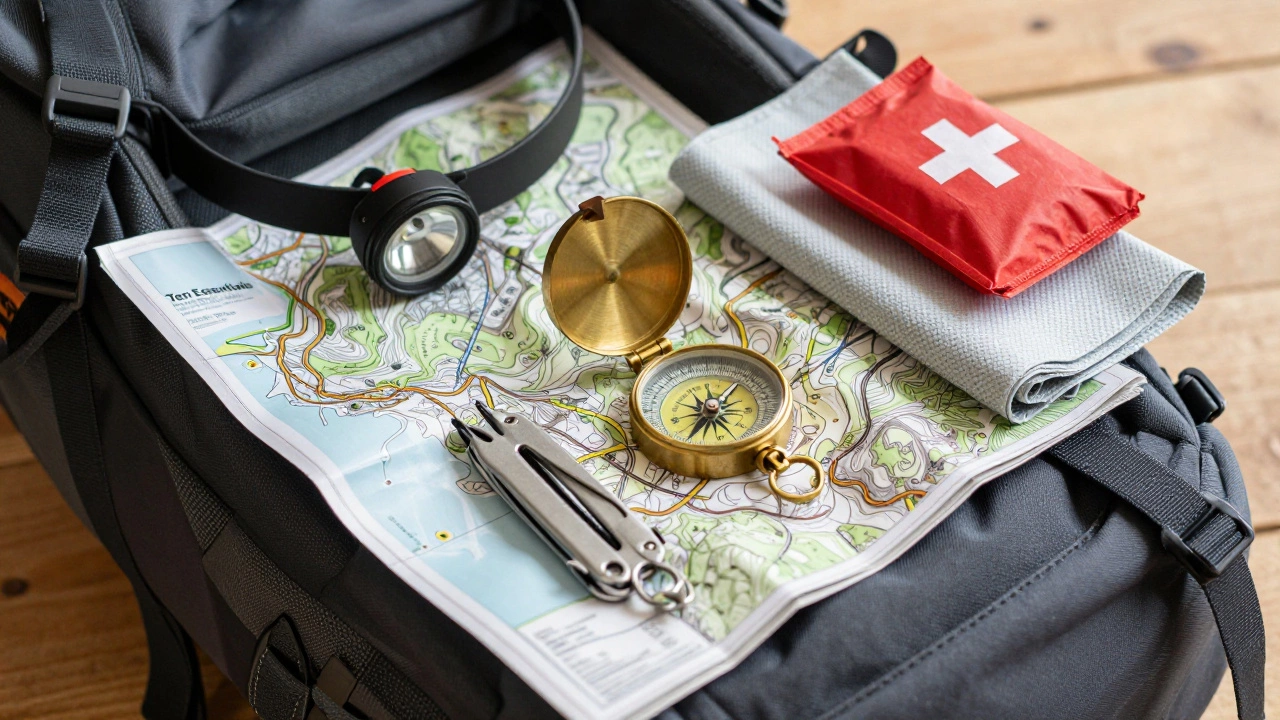
To build a foundation of safety, every outdoor enthusiast should master the concept of the "Ten Essentials." This list was originally created by mountaineer Fernand Fournier in 1936 and has evolved over time. It is not just a checklist; it is a system of redundancy designed to keep you alive if you are stranded overnight unexpectedly.
| Category | Specific Items | Why It Matters |
|---|---|---|
| Navigation | Map, compass, GPS device | Prevents getting lost; batteries can die on GPS. |
| Sun Protection | Sunglasses, sunscreen, hat | Prevents heatstroke and snow blindness. |
| Insulation | Extra clothing layers | Hypothermia can occur even in summer if wet/cold. |
| Illumination | Headlamp, extra batteries | Allows travel or signaling in the dark. |
| First Aid | Basic kit with blister care, bandages | Treats minor injuries before they become major. |
| Fire | Lighter, waterproof matches, tinder | Provides warmth and signals for help. |
| Repair Tools | Knife, duct tape, cord | Fixes gear failures in the field. |
| Nutrition | Extra food (one day's worth) | Maintains energy for emergency decisions. |
| Hydration | Extra water, purification method | Dehydration impairs judgment quickly. |
| Emergency Shelter | Bivy sack, space blanket, tarp | Protects from elements if stranded. |
Notice that none of these items are luxury goods. They are practical tools. Carrying them does not mean you expect disaster; it means you respect the unpredictability of nature. Many people skip the extra food or the repair kit to save weight, only to find themselves regretting that decision when their boot sole peels off three miles from the car.
Understanding Weather and Terrain
Weather is the great equalizer in the outdoors. A sunny morning can turn into a thunderstorm by noon, especially in mountainous regions. Understanding microclimates is crucial. For example, valleys may be warm while ridges are freezing. Coastal areas can have sudden fog banks that reduce visibility to zero in minutes.
Before any trip, check multiple weather sources. Do not rely solely on a general app prediction for the nearest city. Look at elevation-specific forecasts. If there is a chance of rain, assume it will rain. If there is a chance of wind, prepare for gusts. Terrain also plays a huge role. Rocky trails require different footwear than muddy forest paths. Steep slopes demand more energy and increase fall risks. Knowing the terrain helps you pace yourself and identify potential hazards like loose scree or unstable river crossings.
The Power of Communication Plans
One of the most overlooked aspects of outdoor safety is telling someone where you are going. It sounds simple, yet thousands of search and rescue missions begin because no one knew the hiker’s intended route. This is called a "trip plan."
Your trip plan should include:
- The exact trail name and entry point.
- Your expected turnaround time.
- The license plate number of your parked vehicle.
- A clear instruction to call authorities if you do not check in by a certain time.
In remote areas without cell service, consider carrying a personal locator beacon (PLB) or a satellite messenger like a Garmin inReach. These devices allow you to send SOS signals via satellite, even in the deepest wilderness. They are lifelines that connect you to rescue services when your phone shows "No Service." Investing in communication tools is investing in peace of mind for both you and your loved ones.
Physical Fitness and Mental Resilience
You cannot fake fitness in the mountains. Attempting a strenuous hike without proper conditioning leads to exhaustion, poor decision-making, and injury. Train for the activity you plan to do. If you want to carry a 30-pound backpack for six hours, practice walking with weight on flat ground first, then progress to hills. Build your cardiovascular endurance and leg strength gradually.
Mental resilience is equally important. When things go wrong-when you get lost, injured, or caught in bad weather-panic is your worst enemy. Panic leads to irrational choices, such as rushing downhill in the dark or ignoring obvious landmarks. Cultivate a calm mindset. Practice problem-solving under stress. Learn to stop, think, and act deliberately. This mental discipline often saves lives more than any piece of gear ever could.
Respecting Wildlife and Environment
Safety isn't just about protecting yourself from the elements; it's about coexisting with wildlife. Animals like bears, moose, and snakes are generally shy but will defend themselves if threatened. Know how to store food properly using bear canisters or hanging methods. Make noise while hiking to avoid surprising animals. Give wildlife plenty of space. Remember, you are a guest in their home.
Following Leave No Trace principles also contributes to long-term safety. Trampled vegetation erodes trails, making them slippery and dangerous for future hikers. Litter attracts animals to campsites, increasing the risk of aggressive encounters. By respecting the environment, you help maintain safe conditions for everyone.
Knowing When to Turn Back
Perhaps the hardest lesson in outdoor activities is learning to quit. Summit fever-the obsession with reaching the top-has caused countless accidents. Conditions change, bodies fatigue, and daylight fades. If you feel unsafe, tired, or uncertain, turn back. There will always be another mountain, another trail, another day. Your life is worth more than a photo at the summit.
This decision requires humility and self-awareness. Ask yourself: Am I pushing myself too hard? Is the weather deteriorating faster than expected? Do I have enough resources to continue safely? If the answer to any of these is yes, retreat immediately. Turning back is not failure; it is wisdom.
Is it safe to hike alone?
Hiking alone increases risk significantly. If you choose to solo hike, always share your detailed itinerary with a trusted contact, carry a satellite communicator, and stick to well-marked trails. Solo hikers have no one to assist in case of injury or accident.
What should I do if I get lost?
Stop immediately. Do not wander further. Try to retrace your steps to the last known location. If unable, stay put, make yourself visible, and use your whistle or signal mirror. Conserve energy and wait for rescue. Moving blindly increases danger.
How much water should I carry for hiking?
A general rule is one liter per two hours of moderate activity in cool weather, and up to one liter per hour in hot conditions. Always carry purification methods if natural water sources are available along your route.
Do I need a first aid certification for outdoor activities?
While not mandatory, taking a Wilderness First Aid course is highly recommended. It teaches you how to treat injuries in environments where professional medical help is hours away. Basic knowledge can prevent minor issues from becoming life-threatening.
What is the best time of year for outdoor activities?
It depends on the activity and location. Spring offers wildflowers but muddy trails. Summer provides long days but crowds and heat. Fall brings cooler temperatures and fewer bugs. Winter allows snow sports but requires specialized gear and skills. Choose based on your comfort level and preparation.